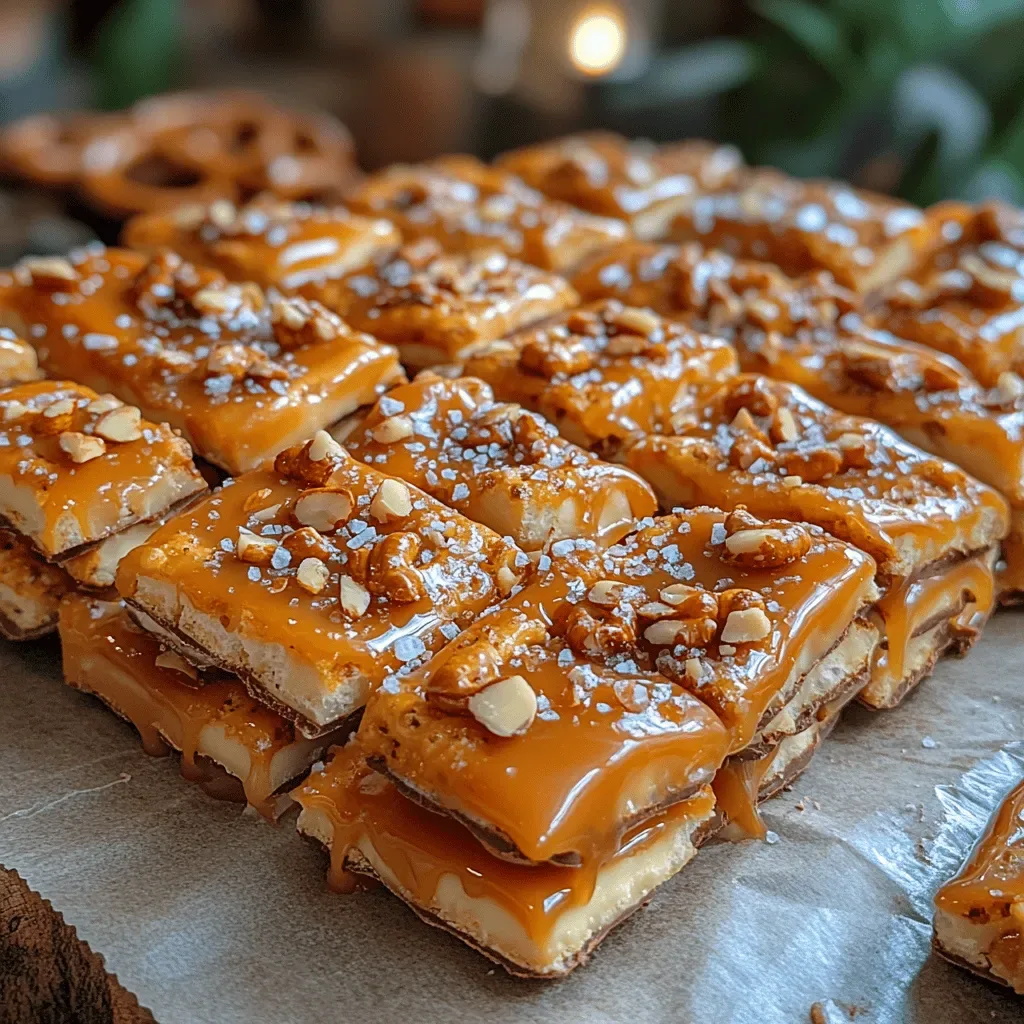

The first time I ever tried to combine the silky, custard‑like comfort of crème brûlée with the playful surprise of a chocolate‑coated egg, I was standing in my kitchen on a rainy Saturday afternoon, the scent of rain mingling with the sweet aroma of vanilla. I remember the moment I cracked the first egg, its golden yolk spilling like liquid sunshine onto the counter, and then gently whisking it into a velvety custard that seemed to glow from within. As the custard set, I dipped each chilled egg into a glossy river of dark chocolate, watching the coating harden into a glossy shell that crackled delightfully under a torch. The first bite was a symphony of textures—the crisp caramelized sugar crack, the smooth chocolate, and the buttery custard—so unforgettable that I vowed to perfect it for my family and friends.
What makes this recipe truly special isn’t just the contrast of flavors; it’s the way each component tells a story. The caramelized sugar on top of the custard brings a whisper of smoky bitterness that balances the sweet cream, while the chocolate shell adds a luxurious richness that feels both indulgent and comforting. Imagine serving these at a brunch gathering, watching guests’ eyes widen as they tap the brittle crust and reveal the silky interior—there’s a theatrical element that turns a simple dessert into an experience. And because the custard can be prepared ahead of time, you can spend more time chatting with guests and less time hovering over the stove.
But wait—there’s a secret trick hidden in step four that will take your chocolate coating from good to jaw‑dropping. Have you ever wondered why restaurant versions of chocolate‑covered desserts always have that flawless shine and snap? The answer lies in a tiny, often overlooked ingredient that most home cooks skip, and I’m about to spill the beans. Trust me, once you master this little hack, your friends will think you’ve hired a pastry chef.
Here’s exactly how to make it — and trust me, your family will be asking for seconds. From selecting the perfect chocolate to mastering the caramelized sugar topping, I’ll walk you through every detail, peppered with personal anecdotes, pro tips, and a few common pitfalls to avoid. Grab your whisk, heat your oven, and let’s dive into the delicious world of Chocolate Covered Crème Brûlée Eggs.
🌟 Why This Recipe Works
- Flavor Depth: The marriage of sweet vanilla custard with a slightly bitter dark chocolate creates a layered taste profile that keeps the palate intrigued from the first bite to the last.
- Texture Contrast: The crisp, caramelized sugar crust shatters under a gentle tap, revealing a silky custard that melts in your mouth, while the chocolate shell adds a satisfying snap.
- Ease of Preparation: Most of the work happens before you even think about the chocolate coating; the custard can be made a day ahead, giving you flexibility for busy schedules.
- Time Efficiency: With a total hands‑on time of just 15 minutes and a cooking time of 30 minutes, this dessert fits perfectly into a weekend brunch or an elegant dinner finale.
- Versatility: While the classic version shines on its own, you can easily adapt the flavors with spices, liqueurs, or different chocolate percentages to suit any occasion.
- Ingredient Quality: By using high‑quality dark chocolate and fresh, farm‑raised eggs, the final product feels luxurious without needing expensive specialty items.
- Crowd‑Pleasing Factor: The visual drama of cracking open a chocolate shell to reveal a golden custard is a guaranteed conversation starter that delights both kids and adults.
- Nutrition Balance: Although indulgent, the recipe offers a good mix of protein from the eggs and healthy fats from the cream, making it a satisfying treat rather than an empty calorie bomb.
🥗 Ingredients Breakdown
The Foundation: Eggs & Cream
Eggs are the heart of any custard, providing the structure that turns liquid into a velvety, set texture. I always recommend using large, free‑range eggs because their yolks are richer and impart a deeper golden hue. The heavy cream contributes the luxurious mouthfeel and balances the egg’s natural richness, creating that melt‑in‑your‑mouth sensation we all love. If you’re looking for a lighter version, you can substitute half of the cream with whole milk, but expect a slightly less decadent result.
Aromatics & Sweeteners: Sugar & Vanilla
Granulated sugar does double duty here: it sweetens the custard and later becomes the caramelized crust that adds that signature crack. For an even more complex flavor, try using a blend of white and brown sugar; the molasses in brown sugar adds a subtle caramel note. Vanilla is the silent hero—whether you use a scraped vanilla bean or a high‑quality extract, it lifts the entire dish, giving it a warm, aromatic backbone that feels homey yet refined.
The Secret Weapons: Dark Chocolate & Sea Salt
Choosing the right chocolate is crucial. A 70% cocoa dark chocolate provides a perfect balance of bitterness and sweetness, allowing the custard’s delicate flavor to shine through. If you love a sweeter coating, opt for 60% cocoa, but remember that the higher the cocoa content, the more pronounced the chocolate’s depth. A pinch of flaky sea salt sprinkled over the chocolate before it sets accentuates the flavors and adds a delicate crunch that surprises the palate.
Finishing Touches: Caramelized Sugar & Optional Flavors
The caramelized sugar topping is what gives this dish its iconic “crème brûlée” signature. Using a kitchen torch, you’ll melt the sugar into a thin, glassy layer that shatters with a gentle tap. For a twist, consider adding a splash of Grand Marnier or a pinch of espresso powder to the custard before it sets, creating nuanced layers that keep the dish exciting even on repeat servings.
With your ingredients prepped and ready, let's get cooking. Here's where the fun really begins—mixing, baking, and finally, that magical chocolate dip that will turn ordinary eggs into a show‑stopping dessert.

🍳 Step-by-Step Instructions
Begin by preheating your oven to 325°F (160°C). While the oven warms, whisk together the egg yolks and granulated sugar in a large bowl until the mixture turns a pale, creamy yellow and thickens slightly—this should take about 2‑3 minutes of vigorous mixing. The scent of sugar will start to caramelize subtly, hinting at the flavor to come. Once blended, set the bowl aside and let the aromas settle.
In a saucepan, combine the heavy cream with a split vanilla bean (or 1 teaspoon of vanilla extract) and bring it to a gentle simmer over medium heat. You’ll hear a soft sigh as tiny bubbles form around the edges—do not let it boil, or the cream will curdle. After 5 minutes, remove the pan from heat and let the vanilla infuse for a minute, then strain the mixture to discard the bean pods, leaving a silky, fragrant liquid.
Slowly pour the warm cream into the egg‑sugar mixture, whisking constantly to temper the eggs and avoid scrambling. This gradual integration creates a smooth custard base that will set perfectly in the oven. As you whisk, you’ll notice the mixture turning a richer, golden hue—this is the sign that the flavors are marrying beautifully.
Now, strain the custard through a fine‑mesh sieve into a clean bowl to remove any cooked egg bits, ensuring an ultra‑smooth texture. Pour the strained custard into six ramekins or silicone egg molds, filling each about three‑quarters full. Place the filled molds on a baking tray and carefully pour hot water into the tray until it reaches halfway up the sides of the ramekins—this water bath (bain‑marie) guarantees gentle, even cooking.
Slide the tray into the preheated oven and bake for 30‑35 minutes, or until the custard is just set—when you gently jiggle the ramekin, the center should wobble slightly like gelatin. This is the trickiest part: over‑baking turns the custard grainy, while under‑baking leaves it too runny. As the timer dings, the kitchen will be filled with a faint, sweet vanilla perfume that signals it’s almost ready.
Remove the ramekins from the water bath and let them cool to room temperature, then refrigerate for at least 2 hours (or overnight for best results). While they chill, melt the dark chocolate in a double boiler, stirring until smooth and glossy. Once melted, add a pinch of flaky sea salt and a splash of vegetable oil (about a teaspoon) to thin the chocolate just enough for a glossy dip.
When the custard is fully set and chilled, carefully run a thin knife around the edge of each ramekin and gently unmold the custard “eggs” onto a parchment‑lined tray. The custard should hold its shape like a soft, golden egg. If any cracks appear, don’t worry—those become delightful bite‑size pieces that add texture.
Using a fork or a small dipping tool, submerge each custard egg into the tempered chocolate, allowing any excess to drip back into the bowl. Place the chocolate‑coated eggs back on the parchment and let them set at room temperature for 10‑15 minutes, or pop them in the fridge for a quicker set. The chocolate will firm up, creating a crisp shell that contrasts beautifully with the creamy interior.
Finally, sprinkle a thin layer of granulated sugar over the chocolate shell and torch it until the sugar caramelizes into a crackly, amber crust. The moment you hear that satisfying crack as you tap the surface, you’ll know you’ve achieved the perfect crème brûlée finish. Serve immediately, or keep them refrigerated for up to 24 hours—just give them a quick torch before serving if the sugar has softened.
And there you have it! But before you dig in, let me share some tips that will take this from great to absolutely unforgettable…
🔐 Expert Tips for Perfect Results
The Taste Test Trick
Before you commit to the final caramelization, give each chocolate‑coated egg a quick taste test. Slice a tiny piece and note whether the chocolate is too bitter or the custard needs a touch more vanilla. Adjustments at this stage are easier than after the sugar crust sets, and a little extra vanilla extract can elevate the overall flavor without overpowering the chocolate.
Why Resting Time Matters More Than You Think
Allowing the custard to rest overnight isn’t just about convenience—it lets the flavors meld and the texture become silkier. I once served these the same day I made them, and the custard felt a bit “loose.” After a night in the fridge, the custard firmed up just right, making the chocolate dip smoother and the final crack more pronounced.
The Seasoning Secret Pros Won’t Tell You
A pinch of smoked sea salt on the chocolate shell adds an unexpected depth that balances the sweetness. Professional pastry chefs often keep this trick under wraps because it transforms a simple dessert into a sophisticated palate‑pleaser. Try experimenting with different salts—Hawaiian pink or smoked French fleur de sel—to discover your favorite nuance.
The Perfect Torch Technique
Hold the kitchen torch about 2 inches away from the sugar surface and move it in a steady, circular motion. This ensures even caramelization without burning. If you notice any dark spots, lower the flame slightly or move the torch farther away; the goal is a uniform amber hue that cracks cleanly.
Avoiding a Sticky Chocolate Shell
If the chocolate coating feels tacky after setting, it’s likely because the ambient humidity was high. To combat this, place the coated eggs on a cooling rack set over a sheet of parchment and let them air‑dry in a low‑humidity environment for a few minutes before the final sugar topping.
Storing for Later
If you need to make these ahead of a party, store the chocolate‑coated eggs in an airtight container in the refrigerator for up to 24 hours. When you’re ready to serve, give them a quick torch session to refresh the caramelized sugar. This way, the texture remains crisp, and the custard stays delightfully creamy.
🌈 Delicious Variations to Try
One of my favorite things about this recipe is how versatile it is. Here are some twists I've tried and loved:
Coffee‑Infused Crème Brûlée
Swap half of the vanilla extract for a tablespoon of finely ground espresso. The coffee adds a subtle bitterness that pairs beautifully with the dark chocolate, creating a sophisticated mocha‑like flavor profile.
Orange Zest & Grand Marnier
Add the zest of one orange and a splash of Grand Marnier to the custard before baking. The citrus brightens the richness, while the orange‑infused liqueur adds an elegant, aromatic lift.
Nutty Crunch
Before dipping the custard into chocolate, roll each egg in finely chopped toasted almonds or pistachios. The nutty crust adds an extra layer of texture and a buttery flavor that complements the caramelized sugar.
White Chocolate & Raspberry
Replace the dark chocolate with high‑quality white chocolate and drizzle a raspberry coulis over the finished eggs. The tartness of the raspberry cuts through the sweetness, delivering a fresh, summery twist.
Spiced Chai
Infuse the cream with chai spices—cinnamon, cardamom, ginger, and clove—before mixing with the eggs. This warm spice blend adds an exotic depth that pairs surprisingly well with the dark chocolate coating.
📦 Storage & Reheating Tips
Refrigerator Storage
Place the fully assembled eggs in an airtight container and keep them chilled for up to 48 hours. The chocolate shell remains firm, and the custard retains its creamy texture. If the sugar crust softens, a quick torch before serving will revive the crackly top.
Freezing Instructions
While freezing is not ideal for the delicate custard, you can freeze the chocolate‑coated eggs without the caramelized sugar. Wrap each egg individually in plastic wrap, then store them in a freezer‑safe bag for up to 1 month. Thaw in the refrigerator overnight, then re‑torch the sugar layer for a fresh finish.
Reheating Methods
To warm the custard without drying it out, place the eggs on a microwave‑safe plate, cover loosely with a damp paper towel, and heat in 10‑second bursts until just warm. Alternatively, a gentle steam bath for 2‑3 minutes will bring the custard back to a silky temperature while preserving the chocolate shell.