
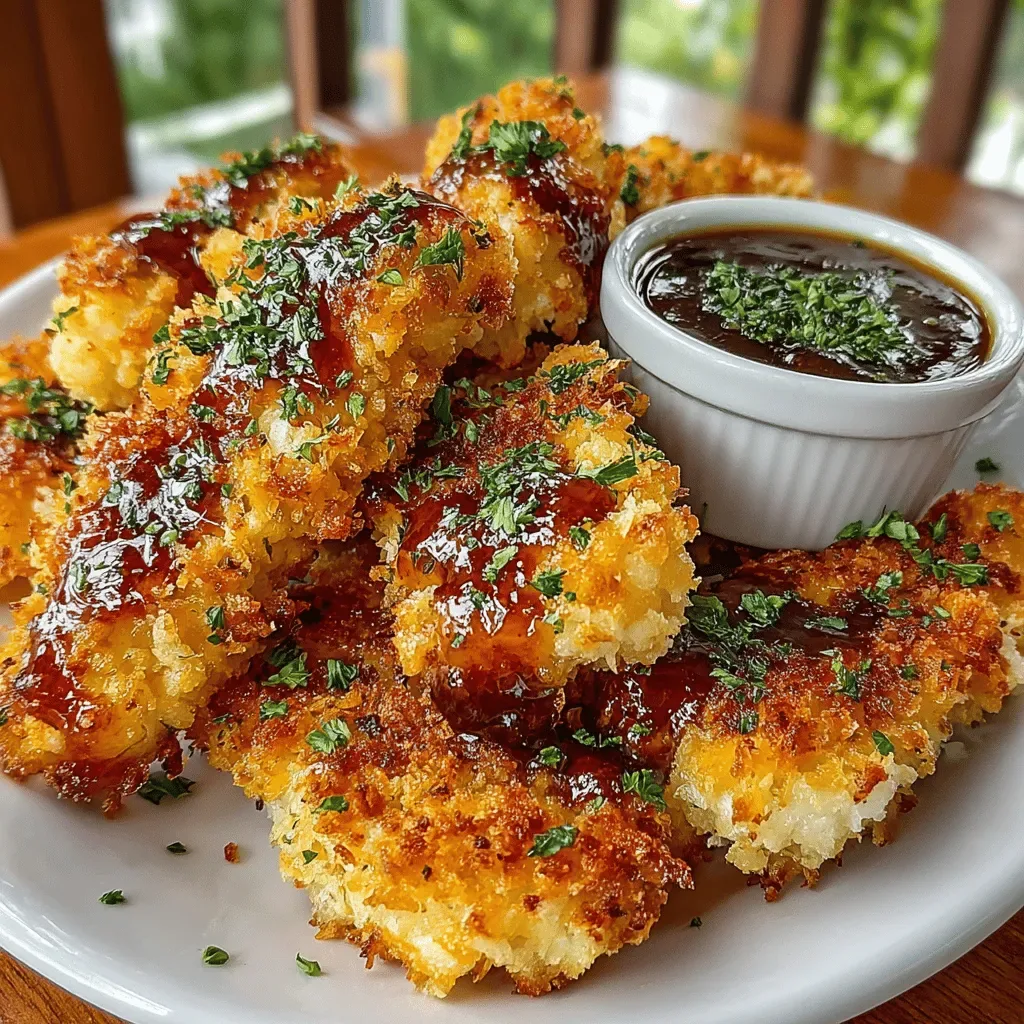
Imagine a bite that delivers a sweet kiss of honey, a tangy whisper of mustard, and a juicy, perfectly crisp chicken tender—all in one mouthful. That’s the magic of Honey Mustard Chicken Tenders, a dish that feels both indulgent and approachable.
What sets this recipe apart is the balance between the natural sweetness of honey and the sharp bite of Dijon mustard, all wrapped around tender, lightly breaded chicken strips. A quick splash of lemon juice brightens the sauce, while a pinch of smoked paprika adds a subtle depth.
This dish is a crowd‑pleaser for busy families, casual get‑togethers, or even a quick lunch at the office. Kids love the sweet‑savory flavor, and adults appreciate the sophisticated sauce that pairs well with a variety of sides.
The process is straightforward: marinate the chicken, give it a light coat of flour, sear for a golden crust, then finish in a hot oven while the honey‑mustard glaze thickens and clings to every tender. You’ll have a restaurant‑quality plate in under thirty minutes.
Why You'll Love This Recipe
Bold Sweet‑Savory Harmony: The honey‑mustard combo creates a layered flavor that’s instantly recognizable yet never overwhelming, keeping every bite interesting.
Quick Weeknight Solution: With a total time under 45 minutes, this recipe fits perfectly into hectic schedules without sacrificing taste.
Kid‑Friendly Appeal: The subtle sweetness draws children in, while the gentle tang satisfies adult palates, making it a true family favorite.
Versatile Pairings: Whether you serve it over rice, with roasted veggies, or on a fresh salad, the sauce adapts beautifully to any accompaniment.
Ingredients
The foundation of this dish is fresh, high‑quality chicken tenderloins that absorb the honey‑mustard glaze beautifully. A light dusting of flour helps the sauce cling while creating a delicate crust. The sauce itself leans on Dijon mustard for sharpness, honey for natural sweetness, and a splash of apple cider vinegar for brightness. Finishing touches of smoked paprika, garlic, and fresh herbs round out the flavor profile, delivering depth without complexity.
Main Ingredients
- 1 pound chicken tenderloins
- 1/2 cup all‑purpose flour
- 2 tablespoons olive oil
Sauce/Marinade
- 3 tablespoons Dijon mustard
- 2 tablespoons honey
- 1 tablespoon apple cider vinegar
- 2 cloves garlic, minced
Seasonings & Garnish
- 1 teaspoon smoked paprika
- Salt and freshly ground black pepper, to taste
- 2 teaspoons fresh thyme leaves, chopped
- 1 tablespoon fresh lemon juice
Together these ingredients create a harmonious balance: the flour forms a thin, crisp veil; the mustard and honey meld into a glossy glaze that caramelizes without burning; garlic and smoked paprika add aromatic depth; and a final splash of lemon brightens the finish. Fresh thyme brings an herbaceous lift, ensuring every bite is layered, juicy, and unforgettable.
Step-by-Step Instructions
Preparing the Chicken
Pat the chicken tenderloins dry with paper towels, then season both sides generously with salt, pepper, and smoked paprika. Let the seasoned meat rest for 5–10 minutes at room temperature; this step helps the seasoning penetrate and promotes even cooking.
Coating & Searing
- Light Flour Dusting. Place the flour in a shallow dish and lightly dredge each tender, shaking off excess. The thin coating creates a subtle crust that will grip the sauce later.
- Heat the Skillet. Warm a large skillet over medium‑high heat for 2 minutes, then add olive oil. When the oil shimmers (about 350°F), it’s ready for a quick sear.
- Sear the Tenders. Add the chicken in a single layer, being careful not to crowd the pan. Cook 2–3 minutes per side until golden brown; you should see a light crust forming without burning.
- Introduce Aromatics. Reduce heat to medium, add minced garlic, and stir for 30 seconds until fragrant. This prevents the garlic from scorching while releasing its flavor into the oil.
Creating the Honey‑Mustard Glaze
In a small bowl, whisk together Dijon mustard, honey, apple cider vinegar, and lemon juice until smooth. Pour the mixture into the skillet, stirring to combine with the garlic‑infused oil. Bring to a gentle simmer; you’ll notice the sauce thickening and bubbling around the chicken.
Finishing in the Oven
- Transfer to Oven. Preheat your oven to 375°F (190°C). Once the sauce is glossy, move the skillet (or transfer to a baking dish) into the oven.
- Bake Until Done. Cook for 12–15 minutes, or until the internal temperature of the chicken reaches 165°F (74°C). The glaze will caramelize slightly, giving the tenders a beautiful sheen.
- Rest & Garnish. Remove from the oven, let the chicken rest for 5 minutes, then sprinkle chopped thyme over the top. This brief rest redistributes juices, ensuring every bite stays moist.
Tips & Tricks
Perfecting the Recipe
Room‑Temp Chicken. Let the tenders sit out for 10 minutes before cooking; this prevents a cold center and yields an even pink interior.
Pat Dry. Moisture on the surface hinders browning. A quick pat with paper towels ensures a crisp crust.
Use a Heavy Skillet. Cast iron or stainless steel retains heat better, giving a more uniform sear.
Don’t Skip the Rest. Allowing the chicken to rest after baking locks in juices and prevents a dry bite.
Flavor Enhancements
Stir in a pinch of red‑pepper flakes with the garlic for a subtle heat, or finish the sauce with a pat of butter for extra silkiness. A drizzle of extra honey just before serving adds a glossy, sweet finish.
Common Mistakes to Avoid
Avoid moving the chicken during the initial sear; the crust needs time to form. Also, don’t let the sauce boil vigorously—high heat can cause the honey to scorch, turning the glaze bitter.
Pro Tips
Fresh Mustard. Use a high‑quality Dijon for the sharpest flavor; it makes a noticeable difference in the glaze’s depth.
Thermometer Check. A quick read with an instant‑read thermometer guarantees perfectly cooked chicken without guesswork.
Batch Cooking. Double the recipe and freeze portions; reheating in the oven restores the crispness and flavor.
Finish with Fresh Herbs. Adding thyme or parsley at the very end preserves their bright, aromatic qualities.
Variations
Ingredient Swaps
Swap chicken for turkey cutlets, pork medallions, or firm tofu for a vegetarian twist. Replace honey with maple syrup or agave nectar for a different sweetness profile. For a smoky edge, add a dash of chipotle powder to the seasoning blend.
Dietary Adjustments
Use gluten‑free flour and ensure your mustard is certified gluten‑free for a safe option. Substitute honey with a low‑glycemic sweetener like erythritol for a keto‑friendly version. Coconut oil can replace olive oil for a dairy‑free, slightly tropical flavor.
Serving Suggestions
Serve the tenders over a bed of fluffy basmati rice or quinoa to soak up the glaze. Pair with roasted Brussels sprouts, sweet potato wedges, or a crisp cucumber salad for contrast. For a handheld option, place the chicken inside warm pita pockets with lettuce and a dollop of extra sauce.
Storage Info
Leftover Storage
Allow the chicken to cool to room temperature, then transfer to an airtight container. Refrigerate for 3–4 days. For longer keeping, portion into freezer‑safe bags, squeeze out excess air, and freeze up to 3 months. Label with date for easy rotation.
Reheating Instructions
Reheat in a preheated 350°F oven, covered with foil, for 12–15 minutes until the interior reaches 165°F. This method revives the crisp exterior without drying out the meat. In a pinch, microwave on medium power for 2 minutes, stirring halfway, and add a splash of broth or extra glaze to restore moisture.
Frequently Asked Questions
This Honey Mustard Chicken Tenders guide walks you through every detail—from selecting fresh ingredients to mastering the perfect glaze—so you can serve a dish that’s both comforting and restaurant‑worthy. Feel free to experiment with swaps, adjust seasonings, or pair it with your favorite sides. The result is a versatile, crowd‑pleasing plate that’s sure to become a staple in your kitchen. Enjoy the sweet‑savory harmony and share it with those you love!


