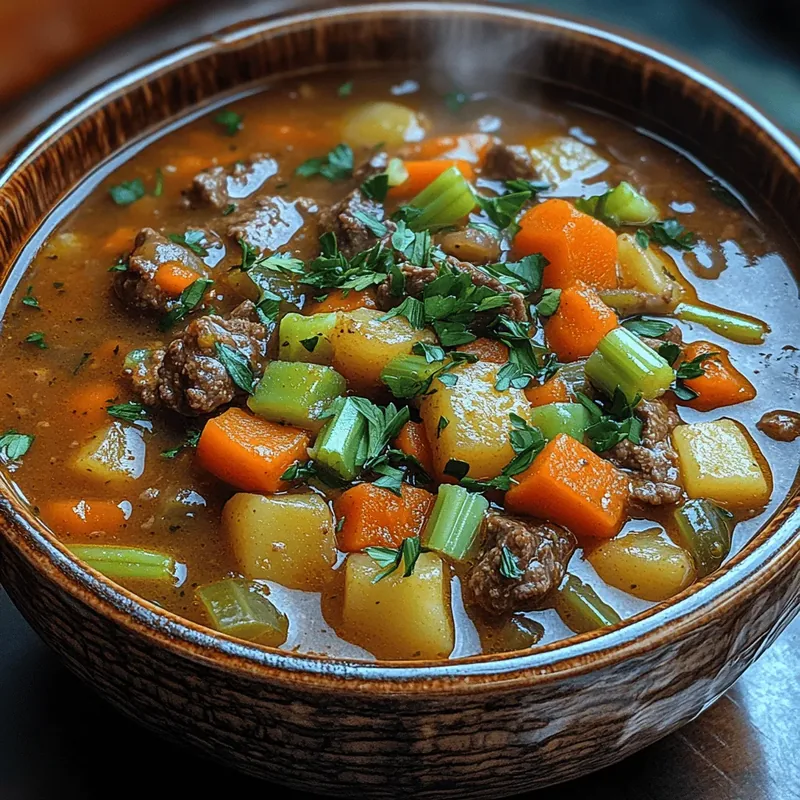

It was a cold November evening, the kind where the wind whistles through the cracks in the window frames and the kitchen becomes the warmest place in the house. I remember standing over the stove, the scent of simmering broth mingling with the sweet tang of caramelized onions, and thinking about the first time my grandmother taught me how to coax deep, comforting flavors from a simple cut of beef. The moment you lift the lid on this Korean Style Pot Roast, a cloud of fragrant steam hits you—rich, savory, with a whisper of heat from gochujang that makes your eyes soften and your stomach grin. That memory is the heartbeat of this recipe, and I’m thrilled to share it with you, because there’s something magical about turning a humble chuck roast into a dish that feels both exotic and home‑cooked.
What makes this pot roast stand out is the marriage of classic Korean pantry staples—soy sauce, gochujang, sesame oil—with the timeless comfort of a slow‑cooked beef stew. The beef becomes melt‑in‑your‑mouth tender, while the carrots and onions soak up a glossy, umami‑laden glaze that clings to every bite. Imagine the deep, caramel‑brown crust that forms on the meat, the subtle snap of carrots that still hold a bit of bite, and the bright pop of green onions that finish the dish with a fresh crunch. Have you ever wondered why restaurant versions of Korean braised beef taste so different? The secret lies in the balance of sweet, salty, sour, and spicy, and I’ll reveal exactly how to achieve that harmony in your own kitchen.
But wait—there’s a little twist that takes this pot roast from good to unforgettable, and I won’t spill the beans until we get to the cooking steps. Trust me, you’ll want to keep reading because that secret ingredient is something most home cooks overlook, yet it makes all the difference. As we walk through each phase—from selecting the perfect cut of meat to the final garnish—I'll sprinkle in personal anecdotes, handy hacks, and a few warnings that saved me from a kitchen disaster or two.
Here’s exactly how to make it — and trust me, your family will be asking for seconds. Grab your apron, fire up the oven, and let’s embark on a culinary journey that blends Korean boldness with the cozy embrace of a classic pot roast. The best part? You’ll end up with a dish that’s as beautiful to look at as it is to eat, and a story to tell around the dinner table for years to come.
🌟 Why This Recipe Works
- Flavor Depth: The combination of soy sauce and gochujang creates a multi‑layered umami base that deepens as the roast simmers, delivering a savory richness that feels both familiar and adventurous.
- Texture Harmony: Slow‑cooking the chuck roast breaks down connective tissue, turning tough muscle into buttery tenderness, while carrots retain a gentle snap, providing a pleasing contrast.
- Ease of Execution: Despite its gourmet vibe, the recipe requires only one pot and a handful of steps, making it perfect for busy weeknights or relaxed weekends.
- Time Efficiency: While the roast needs a couple of hours to become fork‑tender, most of that time is hands‑off, freeing you to prep sides or enjoy a glass of wine.
- Versatility: The core flavor profile can be tweaked for heat levels, sweetness, or even swapped with different proteins, allowing you to personalize the dish to your taste.
- Nutrition Boost: Lean beef provides high‑quality protein, while carrots add beta‑carotene and fiber, and the modest amount of sesame oil contributes heart‑healthy fats.
- Ingredient Quality: Using a well‑marbled chuck roast ensures the meat stays juicy, and fresh aromatics like garlic and ginger bring brightness that cuts through the richness.
- Crowd‑Pleasing Factor: The beautiful ruby‑red glaze and aromatic steam make this dish a show‑stopper that impresses guests without demanding culinary perfection.
🥗 Ingredients Breakdown
The Foundation: Beef & Carrots
The star of this dish is a 3‑pound chuck roast, chosen for its marbling and connective tissue that melt into gelatin during the slow cook. This cut is forgiving; even if you’re not a seasoned butcher, you’ll end up with a succulent result. When selecting your roast, look for a deep mahogany color and a fine, even distribution of fat—those little flecks are the secret to flavor. If chuck isn’t available, a short rib or even a well‑trimmed beef brisket can stand in, though you may need to adjust cooking time slightly. Carrots, cut into thick rounds, add natural sweetness and a splash of orange that brightens the dark broth, while also absorbing the savory glaze.
Aromatics & Spices: Onion, Garlic, Ginger
A large onion, quartered, forms the aromatic backbone, releasing sugars that caramelize and deepen the sauce. Four cloves of garlic, minced, bring pungent warmth, while a tablespoon of freshly grated ginger adds a zingy, peppery note that cuts through the richness. Together, these three ingredients create a fragrant trio that fills the kitchen as soon as they hit the hot pan. If you’re out of fresh ginger, a teaspoon of ground ginger works, though the fresh version offers a brighter pop. For a sweeter twist, try adding a splash of apple cider vinegar along with the rice vinegar later on.
The Secret Weapons: Gochujang, Soy Sauce, Brown Sugar
Gochujang, the Korean fermented chili paste, delivers a deep, smoky heat that’s more nuanced than plain chili flakes. Two tablespoons are enough to give the broth a gentle heat without overwhelming the palate. Soy sauce, at half a cup, supplies salty umami that balances the sweetness of the quarter‑cup brown sugar, which itself caramelizes during the braise, adding a glossy sheen to the sauce. This trio is the heart of the Korean flavor profile, and the exact ratios ensure a harmonious blend of sweet, salty, and spicy. If you prefer a milder dish, reduce the gochujang to one tablespoon and increase the brown sugar slightly.
Finishing Touches: Sesame Oil, Rice Vinegar, Green Onions, Cilantro
A tablespoon of toasted sesame oil, added at the end, brings a nutty aroma that instantly elevates the dish. Rice vinegar, with its mild acidity, brightens the sauce and prevents it from feeling too heavy, while also helping to tenderize the meat further. A quarter‑cup each of chopped green onions and fresh cilantro adds a burst of color and fresh herbaceous notes just before serving. If cilantro isn’t your thing, substitute with a handful of fresh parsley for a milder, grassy finish.
With your ingredients prepped and ready, let's get cooking. Here's where the fun really begins...

🍳 Step-by-Step Instructions
Begin by patting the 3‑pound chuck roast dry with paper towels, then season it generously with salt and pepper on all sides. The dry surface ensures a beautiful sear, which is the foundation of flavor. Heat a large Dutch oven over medium‑high heat, add a splash of oil, and place the roast in the pot. Listen for that satisfying sizzle as the meat makes contact with the pan—this is the sound of flavor building. Let it brown for about 4‑5 minutes per side, turning carefully with tongs, until each side is a deep, caramel‑brown color. Once seared, remove the roast and set it aside on a plate.
💡 Pro Tip: If the pot gets too crowded, sear the roast in batches. Overcrowding steams the meat instead of browning it, which diminishes flavor.In the same pot, add the quartered onion and let it sweat for 2‑3 minutes, stirring occasionally until the edges start to turn translucent. Next, toss in the minced garlic and grated ginger, cooking for another minute until their aromas rise and mingle. The combination creates a fragrant base that will infuse the broth later. Be careful not to burn the garlic; if you hear it start to crisp, lower the heat immediately.
Now it’s time to build the braising liquid. Pour in 2 cups of beef broth, scraping up any browned bits from the bottom of the pot—those are flavor gold. Stir in ½ cup soy sauce, ¼ cup brown sugar, and ¼ cup rice vinegar, allowing the sugar to dissolve completely. Add the two tablespoons of gochujang, whisking until the mixture is smooth and the chili paste is fully incorporated. At this point, you should notice a deep, ruby‑red hue forming, promising a vibrant sauce.
Return the seared roast to the pot, nestling it among the onions and broth. Surround the meat with the carrot rounds, making sure they’re partially submerged. This arrangement ensures even cooking and lets the carrots absorb the savory sauce. Cover the Dutch oven with its lid, lower the heat to a gentle simmer, and place the pot in a preheated oven set to 300°F (150°C). The low‑and‑slow method is what turns a tough cut into melt‑in‑your‑mouth perfection.
⚠️ Common Mistake: Opening the oven too frequently releases heat and can extend cooking time. Trust the timer and resist the urge to peek.After 2½ hours, check the roast for tenderness by inserting a fork into the thickest part. It should slide in with little resistance, and the meat should be pulling apart easily. If it’s not quite there, give it another 20‑30 minutes; the extra time is worth the buttery texture. While the roast rests, the sauce will have thickened slightly, coating the carrots with a glossy sheen.
Remove the pot from the oven and transfer the roast to a cutting board. Let it rest for 10 minutes before slicing; this allows the juices to redistribute, preventing a dry slice. Meanwhile, stir a tablespoon of toasted sesame oil into the braising liquid, letting it melt and infuse the sauce with its nutty fragrance. Taste the broth and adjust seasoning with a splash more soy sauce or a pinch of salt if needed.
Slice the roast against the grain into thick, hearty pieces. Arrange the slices back into the pot, spooning some of the thickened sauce over each piece. Sprinkle the quarter‑cup of chopped green onions and cilantro over the top, adding a fresh pop of color and a burst of herbaceous flavor.
Serve the pot roast hot, ladling generous portions of sauce and carrots onto each plate. Pair it with steamed rice, buttery mashed potatoes, or a simple cucumber salad to balance the richness. The result? A bowl of comfort that sings with sweet, salty, sour, and spicy notes, all wrapped in a velvety, glossy glaze. Go ahead, take a taste — you’ll know exactly when it’s right.
And there you have it! But before you dig in, let me share some tips that will take this from great to absolutely unforgettable...
🔐 Expert Tips for Perfect Results
The Taste Test Trick
Before the final garnish, always give the sauce a quick taste. This is the moment to adjust balance—add a drizzle of honey if you crave extra sweetness, or a splash more gochujang for heat. Trust your palate; it’s the most reliable guide. I once served this dish to a friend who loved spicy food, and a tiny extra pinch of gochujang turned his “good” into “mind‑blowing.”
Why Resting Time Matters More Than You Think
Allowing the roast to rest after cooking isn’t just a formality; it’s essential for juicy, tender meat. During the rest, the muscle fibers re‑absorb the juices that were pushed to the surface during braising. Skipping this step can lead to a dry slice, especially if you’re eager to serve. I once cut into a hot roast immediately and was disappointed by the slight dryness—now I never rush.
The Seasoning Secret Pros Won’t Tell You
Professional chefs often finish braised dishes with a splash of acid—think rice vinegar or a squeeze of lemon—to brighten the flavors. In this recipe, the rice vinegar does double duty: it balances the sweetness of brown sugar and cuts through the richness of the beef. If you find the sauce a bit heavy, a teaspoon of fresh lemon juice can revive it instantly.
Caramelizing the Carrots for Extra Depth
Before adding carrots to the pot, give them a quick sear in the same Dutch oven after you’ve removed the roast. This caramelizes their natural sugars, adding a subtle sweetness that deepens the overall flavor. The extra step takes just five minutes, but the result is a richer, more complex broth.
The Power of a Good Stock
Using high‑quality beef broth, or even homemade stock, makes a noticeable difference in the final sauce. Store‑bought broth can be salty or bland, so taste it first and adjust the soy sauce accordingly. I once swapped regular broth for a bone‑in, slow‑simmered stock and the sauce turned silkier, coating each carrot like a glossy glaze.
Don’t Forget the Finish
A final drizzle of toasted sesame oil right before serving adds a fragrant, nutty layer that ties the whole dish together. It’s a small step, but the aroma is unmistakable and elevates the dish from home‑cooked to restaurant‑worthy. The best part? The oil also adds a glossy sheen that makes the sauce look as good as it tastes.
🌈 Delicious Variations to Try
One of my favorite things about this recipe is how versatile it is. Here are some twists I've tried and loved:
Spicy Gochujang & Sweet Potato Fusion
Swap half of the carrots for cubed sweet potatoes. The natural sweetness of the potatoes pairs beautifully with the gochujang heat, creating a comforting, autumn‑ready version. The orange hue of the sweet potatoes also adds visual appeal.
Miso‑Infused Pot Roast
Add a tablespoon of white miso paste to the broth for an extra layer of umami. Miso introduces a subtle earthiness that complements the soy sauce and deepens the sauce without adding extra salt.
Herb‑Forward Vegetarian Take
Replace the chuck roast with firm tofu or seitan, and use vegetable broth instead of beef. The same Korean flavor base works wonders with plant‑based proteins, making the dish suitable for vegetarians while retaining its comforting vibe.
Citrus‑Zinged Finish
Stir in a teaspoon of orange zest and a splash of fresh orange juice just before serving. The citrus brightens the rich sauce and adds a refreshing contrast that lifts the entire dish.
Korean‑Style BBQ Glaze
Brush the roast with a mixture of honey, soy sauce, and a pinch of smoked paprika during the last 15 minutes of cooking. This creates a caramelized, sticky glaze reminiscent of Korean BBQ, perfect for serving with lettuce wraps.
Noodle‑Topped Pot Roast
Serve the sliced roast over a bed of cooked udon or ramen noodles, letting the sauce coat the noodles. This transforms the dish into a hearty, one‑bowl meal that’s perfect for chilly evenings.
📦 Storage & Reheating Tips
Refrigerator Storage
Allow the pot roast to cool to room temperature before transferring it to an airtight container. Store in the refrigerator for up to 4 days. When reheating, add a splash of beef broth or water to loosen the sauce, then gently warm on the stovetop over low heat.
Freezing Instructions
Portion the cooled roast and sauce into freezer‑safe bags or containers. Freeze for up to 3 months. To reheat, thaw overnight in the fridge, then simmer gently on the stove, adding a bit more broth if needed to restore the sauce’s silky texture.
Reheating Methods
The trick to reheating without drying it out? A splash of broth, a drizzle of sesame oil, and low‑heat patience. Whether you use the microwave, stovetop, or oven, keep the temperature moderate and stir occasionally to ensure even heating. I recommend the stovetop method for the best texture: place the leftovers in a saucepan, cover, and heat for 10‑12 minutes, stirring halfway through.