
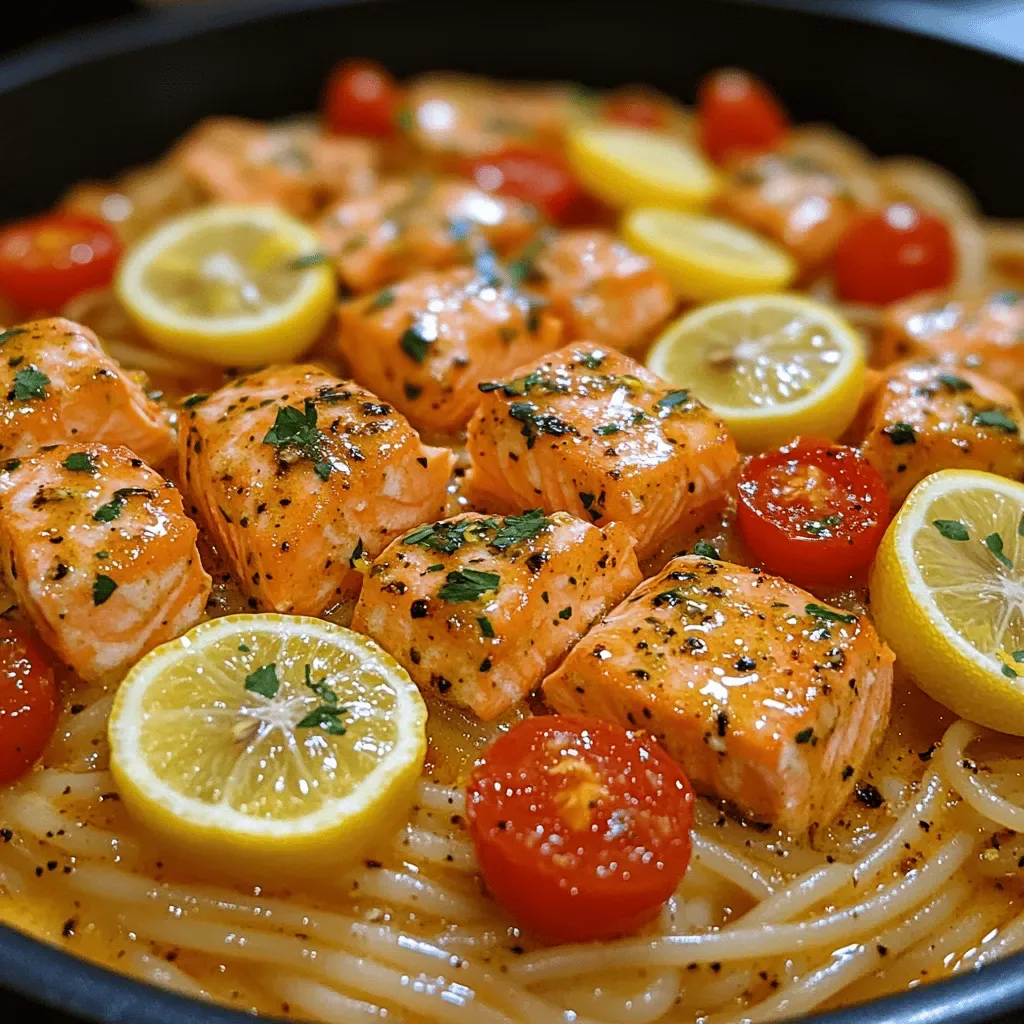
Imagine a dinner that feels like a seaside getaway, yet takes only fifteen minutes to assemble. Lemon Herb One Pot Salmon Pasta delivers that breezy, coastal vibe in a single skillet, making it the perfect answer to busy weeknights or relaxed weekend meals.
What sets this dish apart is the harmonious marriage of flaky salmon, al dente linguine, and a bright lemon‑herb sauce that coats every strand without drowning the delicate fish. The recipe balances richness and acidity, creating a flavor profile that’s both comforting and refreshing.
Family members who crave wholesome meals, friends who appreciate elegant plating, and anyone looking for a quick yet impressive dinner will love this dish. It shines at lunchboxes, dinner tables, or even as a make‑ahead meal for work‑day lunches.
The process is straightforward: sauté garlic and herbs, add broth and lemon, stir in pasta and salmon, then let everything simmer together until the pasta is perfectly cooked and the salmon is tender. Minimal cleanup, maximum flavor.
Why You'll Love This Recipe
One‑Pot Simplicity: All ingredients cook together in a single skillet, so you spend less time washing dishes and more time enjoying a wholesome meal.
Bright Lemon‑Herb Flavor: Fresh lemon juice and a blend of herbs lift the dish, giving it a light, summery taste that never feels heavy.
Healthy Omega‑3 Boost: Salmon provides heart‑healthy omega‑3 fatty acids, making this comforting pasta a nutritious choice.
Customizable Comfort: Swap pasta shapes, adjust herbs, or add veggies—this recipe adapts to whatever you have on hand.
Ingredients
The success of this one‑pot wonder hinges on fresh, high‑quality ingredients. Fresh salmon gives the dish its buttery texture, while linguine provides a sturdy base that absorbs the lemon‑herb sauce. Aromatics like garlic and shallots build depth, and a handful of herbs—parsley, dill, and thyme—infuse the broth with bright, earthy notes. A splash of white wine adds acidity, and the final squeeze of lemon lifts everything, creating a balanced, vibrant plate.
Main Ingredients
- 4 (6‑oz) salmon fillets, skin removed
- 12 oz linguine (or your favorite pasta)
Sauce & Aromatics
- 2 tablespoons olive oil
- 3 cloves garlic, minced
- 1 small shallot, finely diced
- ½ cup dry white wine (or extra broth)
- 2 cups low‑sodium chicken or vegetable broth
- Zest of 1 lemon
- Juice of 1 lemon (about 2 tablespoons)
Seasonings & Garnish
- 1 teaspoon dried thyme
- ½ teaspoon red‑pepper flakes (optional)
- Salt and freshly ground black pepper, to taste
- ¼ cup fresh parsley, chopped
- 2 tablespoons fresh dill, chopped
Together these components create a dish that’s bright, buttery, and comforting. The broth and wine deglaze the pan, pulling up caramelized bits that become the backbone of the sauce. Lemon zest and juice add a zing that cuts through the richness of the salmon, while the fresh herbs finish the dish with a fragrant, garden‑fresh lift. The result is a cohesive, restaurant‑quality plate with minimal effort.
Step-by-Step Instructions
Preparing the Ingredients
Begin by patting the salmon fillets dry with paper towels; this helps them brown nicely. Season each side generously with salt, pepper, and the dried thyme. While the salmon rests, bring a large pot of salted water to a boil, but you won’t cook the pasta separately—just have the water ready for later. Gather the garlic, shallot, lemon zest, juice, and herbs so everything is within arm’s reach.
Searing the Salmon
- Heat the skillet. Place a large, deep‑skillet over medium‑high heat and add the olive oil. When the oil shimmers (about 2 minutes), it’s hot enough for a quick sear.
- Sear the fillets. Lay the salmon skin‑side down (if skin is present) and cook 3‑4 minutes without moving. You’ll see the edges turn opaque. Flip carefully and sear the other side for another 2‑3 minutes. The goal is a golden crust, not full doneness.
- Remove and set aside. Transfer the partially cooked salmon to a plate and tent with foil. This keeps it warm while you build the sauce and prevents overcooking later.
Building the One‑Pot Sauce
- Sauté aromatics. Reduce heat to medium. Add the minced garlic and diced shallot to the same skillet. Stir for 30‑45 seconds until fragrant, being careful not to let them brown.
- Deglaze. Pour in the white wine (or extra broth) and scrape the browned bits from the pan with a wooden spoon. Let the liquid reduce by half, about 2 minutes; this concentrates flavor.
- Introduce broth and lemon. Add the chicken or vegetable broth, lemon zest, and lemon juice. Bring to a gentle simmer. The acidity will brighten the broth and begin to thicken slightly.
- Add pasta. Stir in the uncooked linguine, making sure each strand is submerged. Cover the skillet and let the pasta cook for 8‑10 minutes, stirring occasionally to prevent sticking. The pasta will absorb the broth, turning the liquid into a creamy coating.
- Return salmon. Nestle the seared salmon back into the skillet, skin side up if applicable. Cover and simmer for an additional 5‑7 minutes, or until the salmon flakes easily with a fork and the pasta is al dente.
- Finish with herbs. Remove the skillet from heat. Sprinkle the chopped parsley and dill over the top, giving everything a gentle toss to distribute the fresh herbs evenly.
Plating & Serving
Divide the pasta among four shallow bowls, placing a salmon fillet on each. Drizzle any remaining sauce from the pan over the top, and add an extra squeeze of lemon if you love a punchier zing. Serve immediately while steam is still rising; the dish is at its most aromatic and the sauce remains glossy.
Tips & Tricks
Perfecting the Recipe
Pat the salmon dry. Moisture prevents a good sear, so a quick pat with paper towels is essential for that golden crust.
Use a wide skillet. A larger surface area distributes heat evenly, allowing the pasta and sauce to cook uniformly without scorching.
Check pasta doneness early. Since the pasta finishes in the sauce, taste it a minute or two before the timer ends to avoid over‑cooking.
Rest the salmon. A brief 3‑minute rest after cooking lets juices redistribute, keeping the fish moist.
Flavor Enhancements
For an extra layer of brightness, stir in a teaspoon of capers just before serving. A pinch of grated Parmesan adds umami without overwhelming the lemon. If you enjoy a subtle heat, sprinkle a few red‑pepper flakes into the broth when you add the wine.
Common Mistakes to Avoid
Avoid adding the pasta before the broth is simmering; cold liquid will lower the temperature and result in soggy noodles. Also, don’t over‑salt the broth because the salmon will contribute its own saltiness, leading to a dish that’s too salty.
Pro Tips
Use a splash of cream. For a silkier sauce, swirl in ¼ cup heavy cream at the very end; it won’t mask the lemon but will add luxurious body.
Invest in a good skillet. Heavy‑bottomed, oven‑safe pans retain heat better, giving you a more even cook and allowing you to finish the dish in the oven if desired.
Finish with a drizzle of good olive oil. A drizzle of extra‑virgin olive oil right before serving adds a fragrant finish and enhances mouthfeel.
Season in layers. Add a pinch of salt at each stage—when sautéing aromatics, when simmering the broth, and finally before plating—to build depth.
Variations
Ingredient Swaps
Swap the salmon for firm white fish such as cod or halibut for a milder flavor. Replace linguine with gluten‑free rice noodles or spiralized zucchini for a low‑carb twist. If you prefer a richer broth, use half chicken stock and half coconut milk, which adds a subtle tropical note that pairs nicely with lemon.
Dietary Adjustments
For a gluten‑free version, use corn‑based pasta or quinoa. To make it dairy‑free, simply omit the optional cream and use olive oil throughout. Vegans can substitute the salmon with marinated tempeh or large king oyster mushroom caps, and replace the broth with vegetable stock for a fully plant‑based meal.
Serving Suggestions
Pair the dish with a crisp arugula salad dressed in lemon vinaigrette for extra freshness. A side of roasted asparagus or garlic‑sautéed green beans adds crunch. For a heartier plate, serve with a warm slice of crusty sour‑dough bread to soak up the aromatic sauce.
Storage Info
Leftover Storage
Allow leftovers to cool to room temperature (no more than 2 hours), then transfer to an airtight container. Store in the refrigerator for up to 3 days. For longer preservation, portion into freezer‑safe bags, remove excess air, and freeze for up to 2 months. Label with the date for easy reference.
Reheating Instructions
Reheat gently to avoid overcooking the salmon. Place the portion in a skillet over low heat, adding a splash of broth or water, and cover for 5‑7 minutes until warmed through. Alternatively, microwave on medium power for 1‑2 minutes, stirring halfway, and finish with a drizzle of fresh lemon juice to revive brightness.
Frequently Asked Questions
This Lemon Herb One Pot Salmon Pasta brings together bright citrus, fresh herbs, and perfectly cooked salmon in a single skillet, making dinner both elegant and effortless. By following the detailed steps, using the tips provided, and experimenting with suggested variations, you’ll create a meal that feels restaurant‑ready yet home‑cooked. Let your creativity guide you—add a pinch of spice, swap the pasta, or garnish with toasted pine nuts. Enjoy the burst of flavor and the satisfaction of a truly simple, delicious dish!


