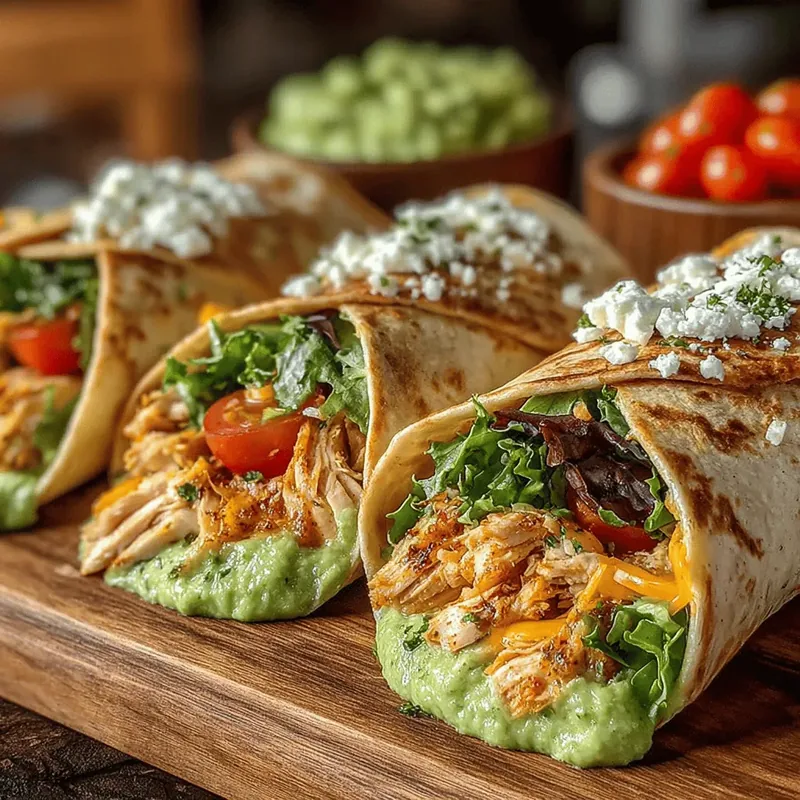

Why You'll Love This Recipe
The first time I tasted a warm, fragrant roll that tasted like autumn itself, I was sitting at my grandparents’ kitchen on a crisp October morning. My grandmother had pulled a tray of golden‑brown rolls from the oven, their tops glistening with a honey‑kissed sheen. As I broke one open, steam curled up, carrying with it the sweet perfume of pumpkin and butter. That moment—soft dough, buttery richness, and the faint, comforting earthiness of pumpkin—became a memory I’ve chased ever since.
Years later, after moving to a bustling city and juggling a demanding career, I found myself longing for that simple, grounding comfort. I began experimenting in my modest apartment kitchen, substituting store‑bought rolls with something I could craft from scratch. The challenge was to capture the same depth of flavor without the luxury of a full‑size oven and without the time‑honored techniques my grandmother used. After many trials, I discovered that a modest amount of pumpkin puree, combined with a generous drizzle of honey‑infused butter, could recreate that nostalgic taste while adding a fresh, modern twist.
What makes this recipe truly special is its ability to bridge generations. The pumpkin provides a subtle, seasonal note that evokes fall gatherings, while the honey butter adds a luxurious sweetness that feels indulgent yet familiar. Each roll is designed to be soft enough for a gentle bite yet sturdy enough to hold a smear of extra butter or a dollop of jam. Whether you serve them at a holiday brunch or a casual weekend breakfast, they carry the promise of comfort, warmth, and a touch of elegance—all in a single, handheld bite.
Ingredients
Choosing the right ingredients is the cornerstone of any great bake, and for Pumpkin Honey Butter Rolls, each component plays a distinct role in texture, flavor, and aroma. Opt for a high‑quality, pure pumpkin puree—preferably one that is 100 % pumpkin with no added sugars or thickeners—to ensure a clean, earthy base. Unsalted butter should be fresh and creamy; it will melt into the dough, creating that coveted tenderness. When selecting honey, look for a light, floral variety that won’t dominate the palate but will lend a subtle sweetness and a glossy finish. Finally, using bread flour instead of all‑purpose flour boosts gluten development, giving the rolls that coveted rise and pillowy crumb. If you need to adjust for dietary preferences, the ingredient list includes thoughtful substitutions without compromising the final result.
Instructions
Activate the Yeast
In a small bowl, combine the warm water (110°F/43°C) with a pinch of sugar and the instant dry yeast. Stir gently and let sit for 5‑7 minutes until the mixture becomes foamy and bubbles appear on the surface. This foaming indicates that the yeast is alive and ready to leaven the dough. If the mixture does not foam, the yeast may be dead; in that case, start over with fresh yeast. Once active, set aside; the yeast will continue to feed on the sugars in the dough, creating lift and a light crumb.
Mix Wet Ingredients
In a large mixing bowl, whisk together the warm milk, melted butter, honey, pumpkin puree, and salt until the mixture is smooth and uniform. The pumpkin puree should be fully integrated, leaving no streaks. This wet blend not only hydrates the flour later but also distributes the honey and pumpkin flavor evenly throughout the dough. Let the mixture sit for a couple of minutes; this short rest allows the butter to solidify slightly, which can help create a more cohesive dough later on.
Combine Dry Ingredients
In a separate bowl, sift together the bread flour, ground cinnamon, and a pinch of extra salt. Sifting aerates the flour, breaking up any lumps and ensuring an even distribution of the spice. This step is crucial for a uniform crumb; clumps of flour can lead to dense spots in the final rolls. Once combined, make a well in the center of the dry mixture to receive the wet ingredients.
Form the Dough
Pour the activated yeast mixture into the well of the dry ingredients, then add the wet pumpkin‑milk blend. Using a wooden spoon or a stand‑mixer's dough hook on low speed, stir until a shaggy dough forms. At this stage, the dough will look rough and slightly sticky—this is normal. Continue mixing for about 5 minutes, allowing the gluten to develop. The dough should become smoother, elastic, and pull away from the sides of the bowl, forming a cohesive ball.
First Rise (Bulk Fermentation)
Lightly oil a large bowl (or use a non‑stick spray) and place the dough inside, turning once to coat all sides with oil. Cover the bowl tightly with plastic wrap or a damp kitchen towel. Allow the dough to rise in a warm, draft‑free area for 1 ½ – 2 hours, or until it has doubled in size. During this period, the yeast ferments the sugars, producing carbon dioxide that inflates the dough, creating a light, airy crumb. You’ll notice the dough puff up and become noticeably softer to the touch.
Shape the Rolls
Turn the risen dough out onto a lightly floured surface. Gently deflate it by pressing with your hands, then knead briefly (about 30 seconds) to redistribute the gases. Divide the dough into 12 equal pieces, each weighing roughly 80‑90 g. Roll each piece into a smooth ball by cupping it in your palm and rotating it against the countertop; the surface tension created by this motion will help the rolls keep their shape during baking. Place the balls, seam‑side down, onto a parchment‑lined baking sheet, spacing them about 1 inch apart.
Second Rise (Proof)
Cover the shaped rolls loosely with a clean kitchen towel or lightly greased plastic wrap. Let them proof for 30‑45 minutes in a warm spot, until they have puffed up noticeably and are nearly doubled in size. This second fermentation gives the rolls a tender interior and a delicate crumb structure. Avoid over‑proofing; if the rolls expand too much, they may collapse in the oven, resulting in a dense texture.
Prepare the Oven & Glaze
While the rolls are in their final proof, preheat your oven to 375°F (190°C). Place a shallow metal pan on the lower rack to catch any drips. In a small saucepan, gently melt the additional 2 tbsp butter with 3 tbsp honey over low heat, stirring until smooth and slightly thickened. This glaze will be brushed onto the rolls immediately after baking, creating a shiny, caramelized surface that locks in moisture.
Bake the Rolls
Place the baking sheet in the center of the preheated oven. Bake for 18‑22 minutes, or until the tops are a deep golden‑brown and a toothpick inserted into the center of a roll comes out clean. Midway through baking (around the 10‑minute mark), rotate the sheet to ensure even browning. The honey butter glaze will caramelize slightly, giving the rolls a glossy finish. Avoid opening the oven door too frequently, as temperature fluctuations can cause the rolls to collapse.
Cool, Glaze, and Serve
Remove the rolls from the oven and transfer them to a wire rack. While they are still warm (but not piping hot), brush each roll generously with the remaining honey‑butter glaze. This final brush adds a luscious sheen and a lingering sweet note. Allow the rolls to cool for at least 10 minutes before serving; this rest period lets the interior set, ensuring each bite holds its shape. Serve warm with a pat of extra honey butter, a drizzle of maple syrup, or alongside a savory spread like herbed cream cheese.

Common Mistakes & How to Avoid Them
Mixing beyond the recommended time develops too much gluten, resulting in a tough, chewy roll instead of a tender crumb. Stop mixing once the dough pulls away from the bowl and feels smooth.
Cold milk, butter, or water can stall yeast activity, leading to a sluggish rise. Always bring liquids to the warm temperature indicated (110°F/43°C).
Leaving the dough to rise too long causes the yeast to exhaust its food supply, resulting in flat or collapsed rolls after baking. Watch for a visible doubling in size and set a timer.
The glaze not only adds shine but also locks moisture inside. Without it, the rolls can dry out faster and lose the signature honey‑butter flavor.
Variations & Creative Twists
- Maple‑Pecan Pumpkin Rolls: Replace half of the honey with pure maple syrup and fold in ¼ cup toasted pecan pieces into the dough before the first rise. The nuts add crunch and the maple deepens the autumnal sweetness.
- Spiced Chai Pumpkin Rolls: Add ¼ teaspoon ground cardamom, a pinch of ginger, and a dash of black pepper to the dry ingredients. The subtle chai spices give a warm, exotic twist.
- Cheddar‑Jalapeño Savory Version: Omit the honey, increase the salt by ¼ teaspoon, and stir in ½ cup shredded sharp cheddar and 1 finely diced jalapeño (seeds removed) into the dough. Finish with a brushed garlic‑butter glaze.
- Vegan Pumpkin Rolls: Substitute dairy milk with oat milk, butter with coconut oil, and use a flax‑egg (1 tbsp ground flaxseed + 3 tbsp water) in place of the yeast activation liquid. The result is just as fluffy and flavorful.
- Gluten‑Free Pumpkin Rolls: Use a blend of gluten‑free flour (rice flour, tapioca starch, potato starch) and add 1 tsp xanthan gum. The texture will be slightly denser but still delightful.
Storage & Reheating
Allow the baked rolls to cool completely before storing. Place them in an airtight container or a resealable zip‑top bag at room temperature; they will stay soft for up to 2 days. For longer storage, wrap each roll individually in plastic wrap and freeze them on a baking sheet. Once frozen, transfer to a freezer‑safe bag. To reheat, preheat your oven to 350°F (175°C), place the rolls on a parchment‑lined tray, and warm for 8‑10 minutes, or until the interior is heated through and the glaze becomes glossy again. Microwaving is an option for a single roll—heat for 15‑20 seconds, then finish with a quick brush of fresh honey butter to restore shine.
Serving Suggestions
Pumpkin Honey Butter Rolls are versatile enough to star in a full brunch spread or serve as a simple side. Pair them with:
- Fresh Fruit Compote: A warm apple‑cinnamon compote adds a tart contrast to the sweet rolls.
- Herbed Cream Cheese: Blend cream cheese with chives, dill, and a touch of lemon zest for a savory spread.
- Smoked Salmon & Avocado: For a brunch‑worthy plate, layer smoked salmon, sliced avocado, and a drizzle of lemon‑olive oil on split rolls.
- Hot Brewed Coffee or Chai: The aromatic notes of coffee or spiced chai complement the pumpkin’s earthiness.
- Eggs Benedict: Use a split roll as the base for poached eggs, Canadian bacon, and hollandaise for a decadent twist.
Expert Tips
Tip #1: Use a Stand Mixer for Consistency
A stand mixer with a dough hook provides even mixing and kneading, especially for sticky pumpkin dough. It reduces manual effort and ensures the gluten develops uniformly, giving you a consistent rise and a smooth texture every time.
Tip #2: Chill the Dough Before Shaping
After the first rise, refrigerate the dough for 15‑20 minutes. Chilling firms the butter, making it easier to handle and shape without the dough sticking to your hands, which results in cleaner, more uniform rolls.
Tip #3: Add a Splash of Orange Zest
A teaspoon of freshly grated orange zest brightens the pumpkin’s earthiness and complements the honey’s sweetness, giving the rolls a subtle citrus aroma that lifts the entire flavor profile.
Tip #4: Bake on a Pre‑heated Pizza Stone
A hot stone transfers heat instantly to the dough’s base, creating a crispier crust while keeping the interior fluffy. Place the stone in the oven while it preheats, then slide the tray onto the stone before baking.
Tip #5: Brush with Melted Butter Before Glazing
A light coat of melted butter right after the rolls come out of the oven helps the honey glaze adhere better, ensuring an even shine and preventing the glaze from soaking into the crumb.
Tip #6: Use a Kitchen Scale for Precision
Weighing flour, butter, and pumpkin puree yields consistent results. Small variations in volume can affect hydration and texture, so a scale ensures each batch turns out identical in softness and flavor.
Tip #7: Sprinkle Sea Salt Flakes on Top
A light dusting of flaky sea salt after glazing adds a pleasant contrast, enhancing both the sweet honey and the buttery richness while providing a subtle crunch.
Tip #8: Pair with a Light Yogurt Dip
Mix Greek yogurt with a drizzle of honey, a pinch of cinnamon, and a splash of lemon juice. This dip balances the rolls’ richness and adds a tangy freshness that brightens every bite.
Nutrition
Per serving (1 roll)