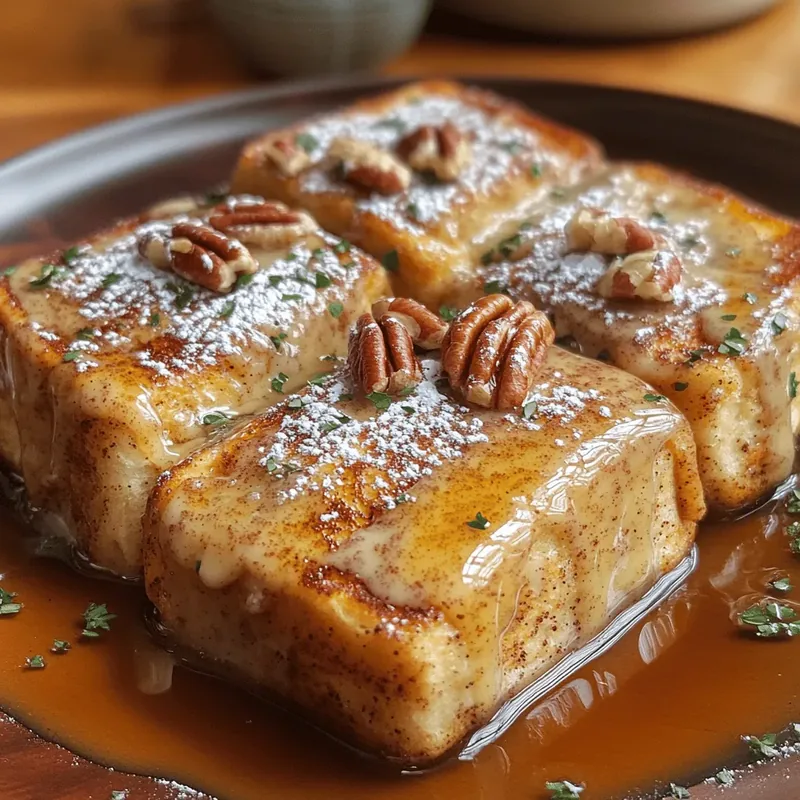

It was a warm June afternoon when I first discovered the magic of strawberries in my kitchen. The sun was already low, casting a golden hue over the garden, and the air was thick with the sweet perfume of ripe berries just waiting to be harvested. I remember pulling a basket of plump, ruby‑red strawberries from the vine, feeling their soft skins give under my fingertips, and hearing the faint pop as I snapped them off the stems. The moment I set them on the counter, a burst of fragrant steam rose as I began to melt butter and sugar, and I knew I was about to create something unforgettable. That simple, sensory experience sparked a lifelong love affair with strawberry desserts that I still cherish today.
What makes strawberries so irresistible is not just their bright color or their natural sweetness, but the way they transform a dish with their juicy, slightly tart heart. When you combine that bright flavor with a buttery crust, a silky custard, or a light whipped cream, you get a symphony of textures that dance on the palate. Imagine a spoonful that starts with a crisp, caramelized edge, then melts into a velvety sauce that coats your tongue with sunshine. That contrast is the secret behind the most memorable strawberry desserts, and it’s something you can master at home with just a few pantry staples and a dash of love.
But here’s the thing: many home cooks think that a great strawberry dessert requires exotic ingredients or fancy equipment, and that’s simply not true. In this article, I’ll walk you through a recipe that balances elegance and ease, letting you create a show‑stopping treat without breaking a sweat. You’ll learn why each step matters, how to pick the perfect berries, and even a few tricks that professional pastry chefs keep under their hats. The result? A dessert that feels like it belongs in a five‑star restaurant, yet is entirely within your reach.
Now, you might be wondering what makes this particular recipe stand out from the countless strawberry dishes you see online. The answer lies in a combination of thoughtful ingredient choices, precise timing, and a few secret techniques that amplify flavor and texture. I’m about to reveal a hidden trick in step four that will elevate the strawberry glaze from good to jaw‑dropping. Ready to dive in? Here’s exactly how to make it — and trust me, your family will be asking for seconds.
🌟 Why This Recipe Works
- Flavor Depth: By layering fresh strawberries with a light vanilla‑infused custard, you create a depth of flavor that feels both familiar and sophisticated. The natural acidity of the fruit cuts through the richness, balancing each bite perfectly.
- Texture Harmony: The contrast between a crisp, caramelized topping and a silky interior keeps the mouthfeel interesting from the first spoonful to the last. This textural play is what makes the dessert memorable.
- Ease of Execution: All steps use everyday kitchen tools—no fancy molds or blowtorches required. Even beginners can follow along and achieve a polished result.
- Time Efficiency: While the recipe feels indulgent, it fits neatly into a 45‑minute window, making it ideal for weeknight treats or last‑minute gatherings.
- Versatility: The base can be adapted into tarts, parfaits, or even a simple parfait bowl, allowing you to customize it for any occasion, from brunch to dinner parties.
- Nutrition Boost: Strawberries are packed with vitamin C, antioxidants, and fiber, so you’re not just indulging your sweet tooth—you’re also feeding your body with wholesome goodness.
- Ingredient Quality: Using fresh, ripe berries and high‑quality butter ensures a vibrant flavor that store‑bought mixes simply can’t match.
- Crowd‑Pleasing Factor: The bright color and familiar taste make this dessert a hit with both kids and adults, guaranteeing applause at any gathering.
🥗 Ingredients Breakdown
The Foundation: Fresh Strawberries & Sweet Base
The star of this dessert is, of course, the strawberry itself. Choose berries that are deep red, firm to the touch, and emit a sweet fragrance when you rub them gently. These qualities indicate peak ripeness and will give you the most intense flavor without needing extra sugar. If you’re lucky enough to find organic strawberries, you’ll also avoid any lingering pesticide taste that can dull the natural sweetness. Tip: Store them in the fridge for up to two days, but bring them to room temperature before cooking to ensure even heat distribution.
Alongside the strawberries, we use a simple sweet base made from granulated sugar and a splash of vanilla extract. The sugar not only sweetens but also helps to create a glossy glaze that clings beautifully to each berry. Vanilla adds a warm, aromatic undertone that rounds out the bright acidity of the fruit. If you prefer a more complex flavor, substitute half of the sugar with honey or maple syrup for a subtle floral note.
Aromatics & Spices: Butter, Lemon, and a Pinch of Salt
Butter is the unsung hero that gives the dessert its luxurious mouthfeel. When melted and combined with the sugar, it forms a silky sauce that coats the strawberries, sealing in moisture and flavor. I always use unsalted, high‑fat butter because it provides a richer texture and lets you control the seasoning more precisely. A splash of fresh lemon juice adds a bright, citrusy lift that balances the sweetness and enhances the strawberry’s natural tang.
A pinch of sea salt might seem counterintuitive in a dessert, but it’s a game‑changer. Salt amplifies the fruit’s flavor, reduces bitterness, and brings out the caramel notes in the butter‑sugar mixture. Think of it as the secret handshake between sweet and savory that makes the palate sing.
The Secret Weapons: Cream, Eggs, and Cornstarch
To achieve that velvety custard texture, we incorporate heavy cream, egg yolks, and a touch of cornstarch. The cream contributes richness and a smooth mouthfeel, while the egg yolks act as natural emulsifiers, binding the mixture together. Cornstarch stabilizes the custard, preventing it from curdling and ensuring a silky finish. If you’re looking for a lighter version, you can substitute half of the cream with whole milk, but be prepared for a slightly thinner consistency.
A pro tip many overlook: whisk the egg yolks with the cornstarch before adding any liquid. This dry‑mix method prevents lumps and creates a uniform custard that sets perfectly. Trust me on this one—once you try it, you’ll never go back to the old way.
Finishing Touches: Fresh Mint, Powdered Sugar, and Crunchy Topping
A few leaves of fresh mint add a refreshing herbal note that cuts through the richness and brightens the overall flavor profile. Lightly dusting the finished dessert with powdered sugar not only adds a delicate sweetness but also gives it an elegant, snow‑kissed appearance. For texture contrast, I love sprinkling toasted almond slivers or crushed shortbread crumbs on top, providing a satisfying crunch that elevates each bite.
If you’re serving this dessert at a formal dinner, consider a drizzle of balsamic reduction for a sophisticated sweet‑sour twist. The acidity of the reduction pairs beautifully with the strawberries, creating a complex flavor journey that will impress even the most discerning guests.
With your ingredients prepped and ready, let's get cooking. Here's where the fun really begins...
🍳 Step-by-Step Instructions
-
Start by rinsing the strawberries under cool water, then gently pat them dry with a clean kitchen towel. Slice each berry in half lengthwise, leaving the stems intact for a rustic look. As you work, notice the faint perfume that rises—this is the first hint of the flavor explosion to come.
Place the sliced strawberries in a wide, shallow pan, and sprinkle them evenly with granulated sugar and a pinch of sea salt. Toss gently to coat each piece, allowing the sugar to draw out the natural juices. Let the mixture sit for about five minutes; you’ll see the berries start to sweat, forming a glossy syrup that will later become the base of your glaze.
💡 Pro Tip: If you have extra time, let the berries macerate for 15‑20 minutes. This deepens the flavor and creates a richer, more concentrated syrup. -
In a separate saucepan, melt the unsalted butter over medium heat until it turns a light golden hue and releases a nutty aroma. Add the lemon zest and freshly squeezed lemon juice, stirring to combine. The citrus will brighten the butter, creating a fragrant foundation for the custard.
Next, whisk together the egg yolks, heavy cream, and cornstarch in a mixing bowl until the mixture is smooth and pale. The color should be uniform, with no visible streaks of yolk. This step is crucial: a well‑blended custard base ensures a silky texture that won’t grain.
-
Gradually pour the warm butter‑lemon mixture into the egg‑cream blend, whisking constantly to prevent the eggs from scrambling. Once fully incorporated, return the combined mixture to the saucepan and cook over low‑medium heat.
Stir continuously with a wooden spoon, scraping the bottom and sides of the pan. As the custard thickens, you’ll notice it coating the back of the spoon—a sign it’s ready. This stage usually takes 5‑7 minutes; patience is key.
⚠️ Common Mistake: Over‑heating the custard can cause it to curdle. Keep the temperature moderate and never let the mixture boil. -
Now, stir in the macerated strawberries along with their released juices. The berries will soften slightly, releasing even more flavor into the custard. At this point, add a splash of vanilla extract and a handful of fresh mint leaves, tearing them just before adding to release their essential oils.
Here’s the secret: gently fold in a tablespoon of honey or maple syrup at this stage. The natural sugars complement the strawberry’s tartness and give the glaze a subtle, lingering sweetness that sets this dessert apart from ordinary strawberry dishes.
💡 Pro Tip: For a glossy finish, whisk in a teaspoon of corn syrup just before removing the pan from heat. It adds shine without altering the flavor. -
Transfer the strawberry‑custard mixture into a shallow baking dish or individual ramekins, spreading it evenly. If you’re aiming for a layered presentation, you can pour a thin layer of the custard, let it set for a minute, then add a second layer of fresh strawberry slices on top.
Pre‑heat your oven to 350°F (175°C). Place the dish in the oven and bake for 12‑15 minutes, just until the edges start to turn a light golden brown and the center is set but still slightly wobbly. The gentle bake helps the custard develop a delicate crust while keeping the interior creamy.
-
While the dessert bakes, toast a handful of almond slivers in a dry skillet over medium heat until they turn fragrant and lightly browned. This will add a crunchy texture that contrasts beautifully with the silky custard.
If you prefer a shortbread crumble, crumble a few biscuits and toss them with melted butter before sprinkling over the top after baking. The choice of topping lets you tailor the dessert to the occasion—elegant almond for a dinner party, playful shortbread for a casual brunch.
-
Remove the dessert from the oven and let it rest for five minutes. This short cooling period allows the custard to set fully and the flavors to meld. While it rests, dust the surface lightly with powdered sugar for a snowy finish.
Garnish with a few whole mint leaves and an extra drizzle of honey if you like a touch more sweetness. The mint adds a refreshing pop that balances the richness, while the honey provides a glossy sheen that makes the dish look restaurant‑ready.
-
Serve the strawberry dessert warm or at room temperature, paired with a scoop of vanilla bean ice cream or a dollop of lightly sweetened whipped cream. The contrast between the warm custard and the cool cream creates a delightful temperature play that excites the senses.
Go ahead, take a taste — you’ll know exactly when it’s right. The first bite should greet you with a buttery, caramelized edge, followed by the bright burst of strawberry and a lingering vanilla finish. Trust me on this one: you’ll want to make it again and again.
And there you have it! But before you dig in, let me share some tips that will take this from great to absolutely unforgettable...
🔐 Expert Tips for Perfect Results
The Taste Test Trick
Before you commit to baking, always taste the raw strawberry‑sugar mixture. If it feels too tart, a pinch more sugar or a drizzle of honey will balance it out. The secret is to trust your palate; the right balance of sweet and acidic is what makes the final dessert sing.
Why Resting Time Matters More Than You Think
Allowing the custard to rest for a few minutes after baking lets the flavors fully integrate. This short pause also helps the glaze thicken slightly, giving you a more cohesive texture. Skipping this step can result in a dessert that feels disjointed on the tongue.
The Seasoning Secret Pros Won’t Tell You
A dash of smoked sea salt on the finished dish adds an unexpected depth that elevates the strawberry’s natural sweetness. It’s a subtle nuance that most home cooks overlook, but once you try it, you’ll wonder how you ever lived without it.
The Creamy Consistency Hack
If your custard looks too thick before baking, whisk in a tablespoon of warm milk to loosen it. This adjustment prevents the custard from becoming rubbery and ensures a silky mouthfeel after it’s baked.
Presentation Perfection
For a polished look, use a ring mold to shape the dessert into a perfect cylinder before baking. After it’s set, gently lift the mold and garnish with a single whole strawberry on top. This simple technique turns a humble dessert into a centerpiece.
🌈 Delicious Variations to Try
One of my favorite things about this recipe is how versatile it is. Here are some twists I've tried and loved:
Tropical Twist
Swap half of the strawberries for diced mango and pineapple. The tropical fruits add a sunny, tangy contrast, while a splash of coconut milk in the custard gives a subtle island vibe. Expect a bright, exotic flavor profile that transports you to a beachside café.
Chocolate‑Covered Delight
Drizzle melted dark chocolate over the finished dessert and sprinkle with cocoa nibs. The bitterness of the chocolate balances the sweetness of the strawberries, creating a sophisticated sweet‑and‑bitter dance. This variation is perfect for a romantic dinner.
Balsamic Elegance
Add a reduction of aged balsamic vinegar to the glaze before baking. The vinegar’s mellow sweetness and slight acidity deepen the strawberry flavor, offering a complex, adult‑oriented palate. Finish with a few micro‑greens for a modern, upscale presentation.
Nutty Crunch
Incorporate toasted hazelnut pieces into the topping instead of almonds. Hazelnuts bring a buttery richness that pairs beautifully with the fruit, and their crumbly texture adds an extra layer of crunch. This variation works wonderfully for fall gatherings.
Spiced Autumn
Infuse the custard with a pinch of ground cinnamon, nutmeg, and a dash of clove. These warm spices complement the strawberries and make the dessert feel cozy, perfect for cooler evenings. Serve with a side of caramel sauce for an indulgent treat.
Vegan Velvet
Replace butter with coconut oil, use almond milk instead of dairy cream, and swap egg yolks for silken tofu blended with a bit of cornstarch. The result is a plant‑based version that retains the creamy texture and vibrant flavor, proving that dessert can be both ethical and delicious.
📦 Storage & Reheating Tips
Refrigerator Storage
Store any leftovers in an airtight container in the fridge for up to three days. Place a piece of parchment paper on top of the custard before sealing to prevent condensation from making the surface soggy. When you’re ready to serve, let it sit at room temperature for 10‑15 minutes to regain its silky texture.
Freezing Instructions
This dessert freezes well for up to one month. Portion the custard into individual freezer‑safe containers, leaving a small space for expansion. Freeze the strawberries separately on a baking sheet, then combine them after thawing to preserve their fresh bite.
Reheating Methods
To reheat, preheat your oven to 300°F (150°C) and warm the dessert for about 8‑10 minutes, or until the custard is just heated through. The trick to reheating without drying it out? A splash of milk or cream added to the pan before warming, which restores moisture and keeps the texture luscious.