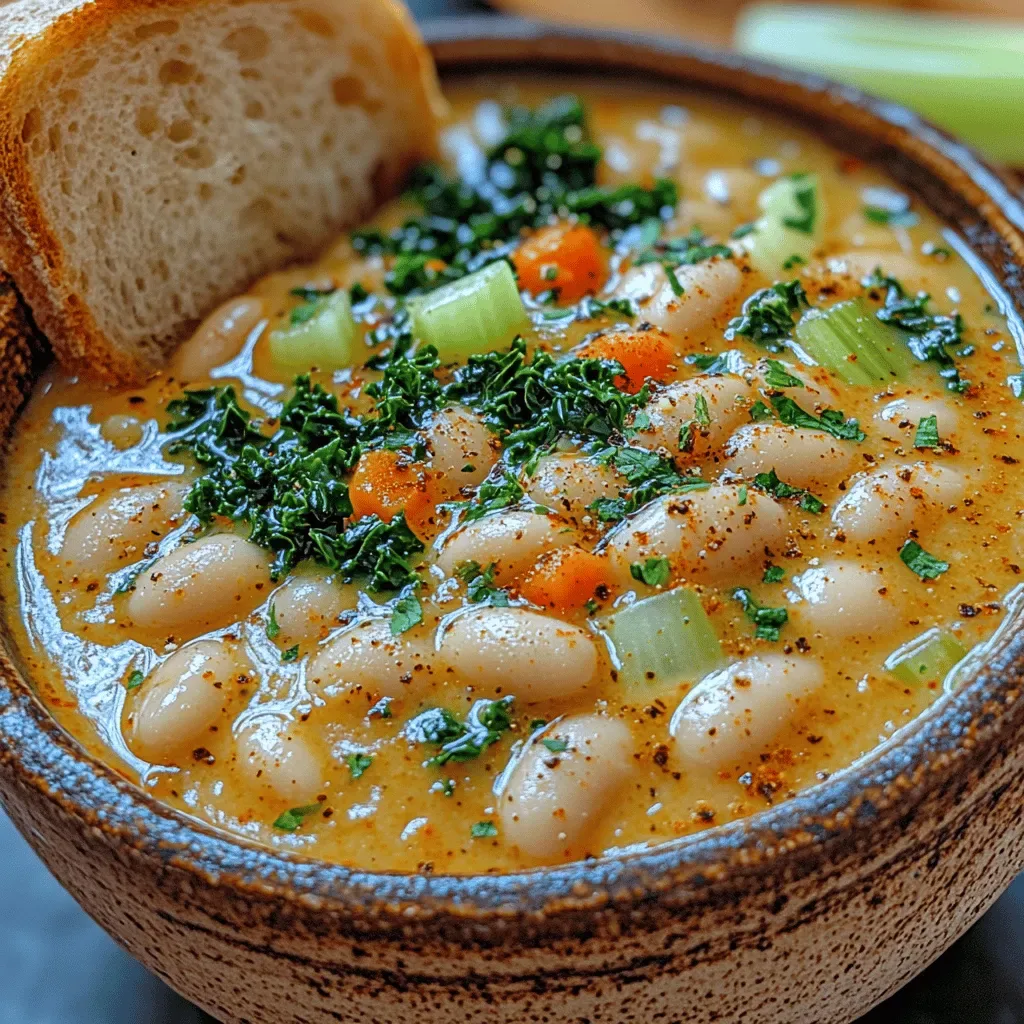

It was a chilly November evening when I first tasted my abuela’s birria, and the memory still makes my kitchen feel warm even on the coldest days. The moment I lifted the heavy, steaming pot lid, a cloud of fragrant steam—spiced with dried chilies, sweet tomatoes, and a whisper of cinnamon—filled the room, wrapping me in a hug that smelled like a bustling Mexican mercado at sunset. I could hear the soft sizzle of the meat as it browned, the gentle pop of the chilies rehydrating, and the faint crackle of the oil as it welcomed the onions. That night, my family gathered around the table, eyes wide, forks poised, and the first bite was a revelation: tender, melt‑in‑your‑mouth lamb drenched in a broth so rich it seemed to have its own personality.
Since that first encounter, I’ve been on a mission to demystify birria for home cooks who think it belongs only in street‑food stalls or festive celebrations. What makes this dish so special isn’t just the deep, smoky flavor; it’s the layers of tradition, the patience required, and the way each ingredient sings in harmony. Imagine a broth that carries the earthiness of roasted peppers, the bright acidity of tomatoes, and the subtle heat of chiles de árbol, all balanced by a gentle tang from apple cider vinegar. The meat becomes a tender canvas, absorbing every nuance until each forkful feels like a story told in spice and steam.
But there’s a secret that most recipes skip—a simple step that transforms a good birria into an unforgettable one. I’ll reveal that hidden trick in step 4, and trust me, you’ll notice the difference the very first spoonful. Have you ever wondered why restaurant birria sometimes tastes brighter, richer, or more complex than the version you make at home? The answer lies not just in the ingredients, but in the timing, the way you build flavor layers, and a few little shortcuts that seasoned cooks keep close to their hearts.
Now that you’re intrigued, let’s dive into the heart of the recipe. I’ll walk you through every detail—from selecting the perfect peppers to the final garnish—so you can recreate that magical moment in your own kitchen. Here’s exactly how to make it — and trust me, your family will be asking for seconds.
🌟 Why This Recipe Works
- Flavor Depth: The combination of ancho, guajillo, and optional chiles de árbol creates a layered heat profile that builds from sweet to smoky to fiery, ensuring every bite is a journey.
- Texture Perfection: Slow‑cooking the lamb shoulder (or beef shank) breaks down connective tissue, resulting in meat that falls apart with a fork yet retains a satisfying chew.
- Ease of Execution: Although it sounds elaborate, the recipe uses pantry‑friendly steps—rehydrating chilies, toasting spices, and simmering—so even a weekend cook can manage it without a professional kitchen.
- Time Investment: The 2‑hour simmer is hands‑off, giving you freedom to prep sides, set the table, or simply enjoy a glass of mezcal while the flavors meld.
- Versatility: Serve it as a stew, taco filling, or even a hearty soup; the broth is so robust it shines on its own, making it a perfect base for countless dishes.
- Nutrition Boost: Using lean lamb or beef and a modest amount of oil keeps the dish protein‑rich while the chilies add antioxidants and vitamin C.
- Ingredient Quality: Fresh roasted tomatoes and high‑quality dried chilies provide natural umami, eliminating the need for artificial flavor enhancers.
- Crowd‑Pleasing Factor: The aromatic steam that rises from the pot is an invitation in itself—people gather, ask questions, and end up sharing the meal together.
🥗 Ingredients Breakdown
The Foundation: Dried Chilies & Tomatoes
The backbone of any authentic birria is the trio of ancho, guajillo, and optional chiles de árbol. Ancho peppers bring a deep, raisin‑like sweetness with subtle chocolate notes, while guajillos add bright red fruitiness and a gentle heat. Chiles de árbol, when you dare, inject a sharp, lingering spice that awakens the palate. Rehydrating them in hot water unlocks their oils, turning them from brittle sticks into supple, flavor‑rich purées. The two roasted tomatoes contribute acidity and a natural sweetness that balances the chilies, creating a harmonious broth that sings.
Aromatics & Spices: The Flavor Orchestra
Onions, garlic, and a blend of Mexican oregano, cinnamon, cumin, ginger, and black pepper form the aromatic backbone. The white onion, when sautéed, becomes translucent and sweet, while garlic adds depth and a lingering perfume. Dried Mexican oregano offers a citrusy, slightly piney note that differentiates it from Mediterranean oregano. Cinnamon and cumin introduce warmth and earthiness, and a pinch of ground ginger lifts the whole profile with a subtle zing. Together, they create a symphony that makes each spoonful feel like a concert of flavors.
The Secret Weapons: Acid & Stock
Apple cider vinegar is the unsung hero; its bright acidity cuts through the richness of the meat and helps tenderize the fibers, ensuring the lamb stays juicy. The beef stock, split into two portions, provides a deep, savory base while allowing you to control the broth’s thickness. Adding half of the stock early helps dissolve the spices, and the remaining half later ensures the final consistency is perfect for dipping tacos or sipping as a soup.
Finishing Touches: Salt, Oil, and the Meat
Sea salt is added at the end of the simmer to bring out every nuance without over‑salting the broth during the long cook. Olive oil, used to sauté the aromatics, adds a silky mouthfeel and helps lock in the flavors of the spices. Finally, the star of the show—3½ pound of lamb shoulder (or beef shank/chuck roast)—provides a rich, gelatinous quality that makes the broth luxurious. The meat’s natural fat renders slowly, enriching the sauce while keeping the meat tender.
With your ingredients prepped and ready, let's get cooking. Here’s where the fun really begins…
🍳 Step-by-Step Instructions
Start by rehydrating the dried chilies. Place the five ancho peppers, five guajillo peppers, and the optional chiles de árbol in a large bowl and cover them with hot water. Let them soak for about 20 minutes, or until they’re soft and pliable. When you press them between your fingers, they should feel like fresh, velvety ribbons. Pro Tip: Reserve the soaking liquid; you’ll strain it later to add an extra layer of flavor to the broth.
While the chilies are soaking, heat a tablespoon of olive oil in a heavy‑bottomed pot over medium heat. Add the chopped white onion and sauté until it turns translucent and begins to caramelize, about 5‑7 minutes. Stir in the chopped garlic and let it perfume the oil for another minute—listen for that gentle sizzle that tells you the garlic isn’t burning.
💡 Pro Tip: Add a pinch of salt to the onions; it draws out moisture and speeds up caramelization.Now it’s time to blend the chilies. Drain the rehydrated peppers, discarding the soaking water (or keep it for later if you love extra depth). Transfer the chilies to a blender, add the two roasted tomatoes, a half‑cup of the reserved soaking liquid, and blend until you achieve a smooth, deep‑red paste. The aroma should be intoxicating—smoky, sweet, and a hint of earth. Here’s the thing: If the paste is too thick, add a splash more water; if too thin, let it simmer a few minutes to concentrate.
Here’s where the secret trick comes in: toast the chili paste. Return the pot to medium‑high heat, pour the blended chili mixture in, and let it fry for 8‑10 minutes, stirring constantly. You’ll hear a faint crackle as the raw flavor transforms into a caramelized, almost chocolatey scent. This step is crucial; it deepens the broth’s color and builds a complex foundation that can’t be achieved by simply simmering.
⚠️ Common Mistake: Skipping this toast will leave the birria tasting flat and lacking that signature richness.Add the spices: sprinkle in the dried Mexican oregano, cinnamon, cumin, ground ginger, and black pepper. Stir vigorously for a minute, allowing the spices to release their essential oils. The kitchen should now be filled with a warm, inviting perfume that makes you want to hug the pot. Pour in half of the beef stock (2 cups) and the apple cider vinegar, scraping the bottom to release any browned bits. Bring the mixture to a gentle boil, then reduce to a low simmer.
Season the lamb shoulder (or beef) generously with sea salt. Place the meat into the simmering broth, ensuring it’s mostly submerged. Cover the pot and let it cook for about 2 hours, or until the meat is fork‑tender. Occasionally, tilt the pot and skim any foam that rises—this keeps the broth clear and refined. Now, here’s where it gets interesting: If you prefer a thicker sauce, uncover the pot for the last 30 minutes to let excess liquid evaporate.
Once the meat is tender, remove it from the pot and let it rest on a cutting board for 10 minutes. Meanwhile, stir the remaining 2 cups of beef stock into the broth, adjusting salt to taste. If the broth feels too thin, simmer uncovered for a few more minutes; if it’s too thick, add a splash of water or extra stock. The final consistency should coat the back of a spoon without pooling.
Shred the rested lamb (or beef) using two forks, discarding any excess fat or connective tissue. Return the shredded meat to the pot, stirring gently to coat each strand with the rich sauce. Let everything mingle for another 5 minutes so the flavors marry fully. Finally, garnish with freshly chopped cilantro, a squeeze of lime, and, if you like, a handful of diced onion. Serve the birria in deep bowls, accompanied by warm corn tortillas for dipping.
And there you have it! But before you dig in, let me share some tips that will take this from great to absolutely unforgettable…
🔐 Expert Tips for Perfect Results
The Taste Test Trick
Before you seal the lid for the long simmer, take a tiny spoonful of the broth and let it cool for a moment. This is your chance to adjust seasoning—add a pinch more salt, a dash of vinegar, or a sprinkle of cumin if the flavors feel shy. Trust me on this one: a quick taste early on prevents a bland final dish.
Why Resting Time Matters More Than You Think
After the meat finishes cooking, letting it rest for at least ten minutes allows the juices to redistribute. I once rushed straight to shredding and the meat turned out dry; the extra pause made all the difference, turning each bite into a juicy, melt‑in‑the‑mouth experience.
The Seasoning Secret Pros Won’t Tell You
Add a teaspoon of dark chocolate or a small piece of Mexican chocolate at the very end of the simmer. The chocolate deepens the umami and adds a velvety finish that most home cooks miss. It’s a subtle trick used by seasoned chefs to elevate stews and sauces.
Balancing Heat Without Overpowering
If you’re nervous about the heat from chiles de árbol, start with one pepper and taste the broth after 30 minutes of simmering. You can always add more, but you can’t take it out. This incremental approach ensures you hit the perfect heat level for your family.
The Best Way to Store the Broth
Cool the broth quickly by placing the pot in an ice‑water bath before refrigerating. This prevents bacterial growth and preserves the vibrant color. I once left a pot on the counter for an hour and the broth turned a dull gray—lesson learned!
🌈 Delicious Variations to Try
One of my favorite things about this recipe is how versatile it is. Here are some twists I've tried and loved:
Birria Tacos with Crunchy Onions
Instead of serving the broth in a bowl, dip corn tortillas into the sauce, fill them with shredded meat, and top with fried onions and a drizzle of lime crema. The contrast between the crispy onion and the tender meat creates an addictive texture.
Chicken Birria for a Lighter Option
Swap the lamb for bone‑in chicken thighs. The cooking time drops to about 1 hour, and the broth retains its depth while becoming lower in fat—perfect for a weekday dinner that still feels festive.
Vegetarian “Birria” with Jackfruit
Use young green jackfruit as a meat substitute; its fibrous texture mimics shredded meat. Simmer it in the same broth for 45 minutes, and you’ll have a plant‑based version that satisfies even the most devoted carnivores.
Spicy Chipotle Twist
Add a chipotle pepper in adobo sauce to the broth for a smoky, smoky‑spicy flavor. The chipotle’s depth complements the existing chilies, creating a richer, more complex heat profile.
Birria Soup with Noodles
Turn the broth into a comforting noodle soup by adding thick rice noodles or even homemade corn‑masa dumplings. The noodles soak up the sauce, making each spoonful a hearty, slurp‑worthy delight.
📦 Storage & Reheating Tips
Refrigerator Storage
Allow the birria to cool to room temperature, then transfer it to airtight containers. It keeps well for up to four days, and the flavors actually improve as they meld. For best results, store the meat and broth separately; this prevents the meat from becoming overly soggy.
Freezing Instructions
Portion the broth and shredded meat into freezer‑safe bags, leaving a little headspace for expansion. Freeze for up to three months. When you’re ready to enjoy, thaw overnight in the fridge, then reheat gently on the stove—no microwave needed for optimal texture.
Reheating Methods
Reheat the broth over low heat, stirring occasionally, and add a splash of fresh beef stock or water if it looks too thick. For the meat, gently warm it in the same pot to keep it moist. The trick to reheating without drying it out? A drizzle of olive oil or a knob of butter right before serving adds silkiness and a glossy finish.