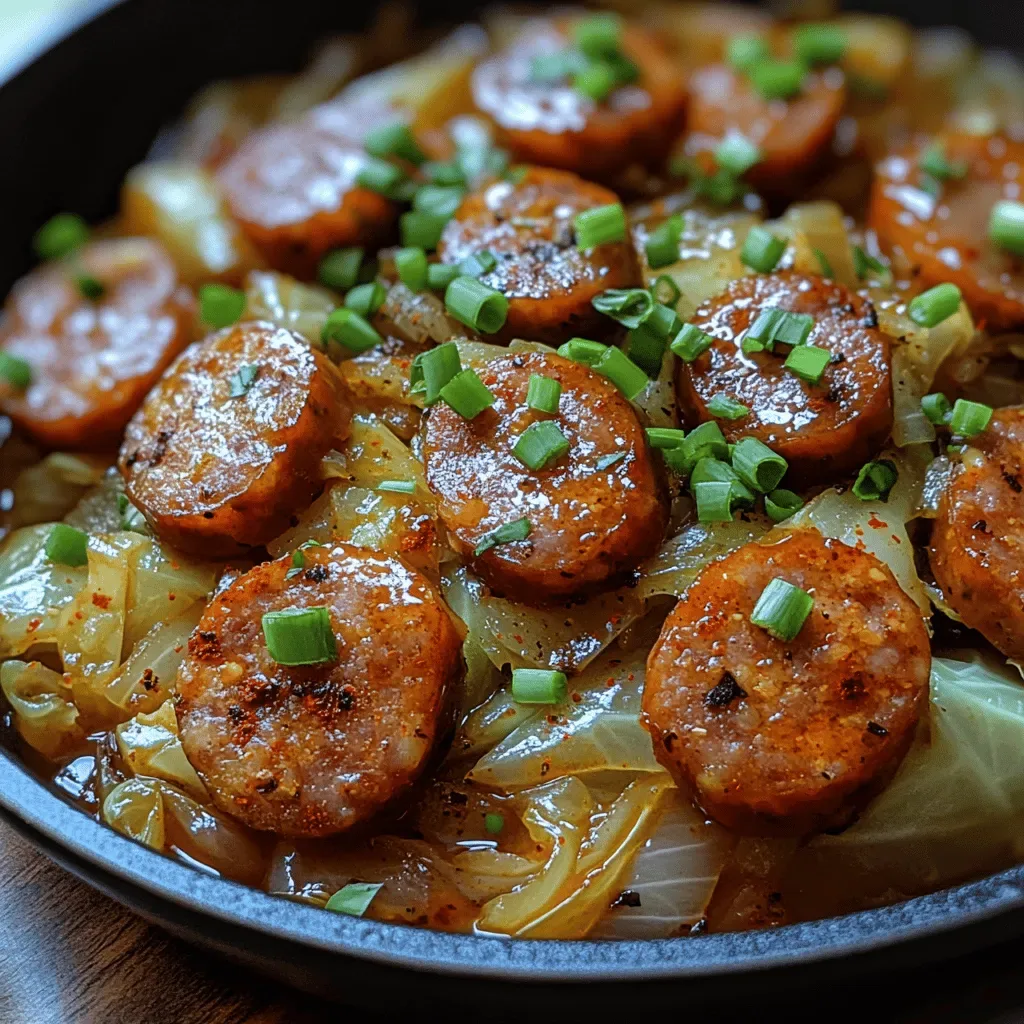

Imagine a plate of perfectly al dente linguine tossed in a silky, garlicky butter sauce, studded with succulent shrimp that practically melt in your mouth. That’s the magic of Shrimp Scampi Linguine—a dish that captures the heart of Italian‑American comfort food while staying light enough for any occasion.
What sets this recipe apart is the balance between the briny sweetness of the shrimp and the bright acidity of lemon, all rounded out by a hint of white wine and a whisper of red‑pepper flakes. The result is a sauce that clings to each strand of pasta, delivering flavor in every bite.
This dish will win over seafood lovers, pasta enthusiasts, and even picky eaters who crave something both familiar and a little indulgent. It shines at casual weeknight meals, elegant dinner parties, or a relaxed weekend brunch.
The cooking process is straightforward: sauté the shrimp, deglaze with wine and lemon, create a buttery emulsion, then combine everything with cooked linguine. In under thirty minutes you’ll have a restaurant‑quality plate ready to serve.
Why You'll Love This Recipe
Bright, Layered Flavor: Fresh garlic, lemon, and white wine build a sauce that’s tangy, buttery, and slightly spicy, delivering a complex taste without overwhelming the shrimp.
Quick Weeknight Solution: From start to finish it takes less than thirty minutes, making it perfect for busy evenings when you still want a home‑cooked masterpiece.
Impressive Presentation: The glossy sauce, vivid green parsley, and ruby‑red shrimp create a dish that looks as good as it tastes—ideal for impressing guests.
Healthy Protein Boost: Shrimp provides lean, high‑quality protein and essential minerals, while the modest amount of butter and olive oil keep the dish heart‑friendly.
Ingredients
The foundation of this dish is fresh, high‑quality shrimp and linguine that hold up to a buttery sauce. A splash of dry white wine adds depth, while lemon juice lifts the flavors. Fresh garlic and red‑pepper flakes give a subtle heat, and parsley provides a burst of color and freshness. Together these components create a harmonious balance of briny, buttery, and citrus notes.
Main Ingredients
- 12 oz linguine
- 1 lb large shrimp, peeled and deveined
Sauce Components
- 4 tbsp unsalted butter
- 2 tbsp extra‑virgin olive oil
- 4 cloves garlic, minced
- ½ cup dry white wine (such as Sauvignon Blanc)
- Zest of 1 lemon
- 2 tbsp fresh lemon juice
Seasonings & Garnish
- ¼ tsp red‑pepper flakes (adjust to taste)
- Salt and freshly ground black pepper, to taste
- ¼ cup fresh flat‑leaf parsley, chopped
Each ingredient plays a specific role: the butter and olive oil create a velvety base, garlic provides aromatics, and the wine deglazes the pan, pulling up caramelized bits for depth. Lemon zest and juice add brightness, while the red‑pepper flakes give a gentle kick. Finally, a sprinkle of parsley adds color and a fresh herbal finish that ties the whole dish together.
Step-by-Step Instructions
Cooking the Pasta
Bring a large pot of salted water to a rolling boil. Add the linguine and cook according to the package directions until al dente, usually 9–11 minutes. Reserve ½ cup of the starchy cooking water before draining; this liquid will help emulsify the sauce later. Drain the pasta and set aside.
Sautéing the Shrimp
- Heat the Pan. Place a large skillet over medium‑high heat for 2–3 minutes. Add the olive oil and 2 tablespoons of butter. When the butter foams and the oil shimmers, you’ve reached the perfect temperature for searing.
- Season the Shrimp. Pat the shrimp dry with paper towels, then season with a pinch of salt, pepper, and the red‑pepper flakes. Even seasoning ensures each piece is flavorful.
- Sear Quickly. Add the shrimp in a single layer, making sure not to crowd the pan. Cook for 1½–2 minutes per side, or until they turn pink and opaque. Overcooking makes shrimp rubbery, so watch closely.
- Remove and Rest. Transfer the cooked shrimp to a plate and set aside. This step prevents the shrimp from over‑cooking while you build the sauce.
Building the Scampi Sauce
- Sauté Garlic. Reduce the heat to medium and add the minced garlic to the same skillet. Stir for about 30 seconds until fragrant; be careful not to let it brown, which would add bitterness.
- Deglaze with Wine. Pour in the white wine, scraping the browned bits from the pan with a wooden spoon. These “fond” pieces are flavor gold. Let the wine reduce by half, roughly 2–3 minutes.
- Finish the Emulsion. Stir in the remaining 2 tablespoons of butter, lemon zest, and lemon juice. Add a splash of the reserved pasta water (about ¼ cup) to help the sauce coat the pasta smoothly. Simmer for another minute.
Combining Everything
Return the shrimp to the skillet, then add the cooked linguine. Toss everything together over low heat, allowing the pasta to soak up the sauce for 1–2 minutes. Taste and adjust seasoning with extra salt, pepper, or a squeeze of lemon if needed. Finish with the chopped parsley for a fresh pop of color. Serve immediately while hot and glossy.

Tips & Tricks
Perfecting the Recipe
Dry Shrimp Thoroughly: Pat the shrimp completely dry before seasoning. Moisture creates steam, which prevents a proper sear and can dilute the sauce.
Use Fresh Pasta Water: The starchy water is key to emulsifying the butter and lemon, giving the sauce its silky texture.
Don’t Overcrowd the Pan: Cook shrimp in batches if necessary. Overcrowding lowers the pan temperature and leads to soggy shrimp.
Flavor Enhancements
Finish the dish with a drizzle of high‑quality extra‑virgin olive oil for added richness. A pinch of smoked paprika adds depth, while a splash of heavy cream can turn the sauce luxuriously creamy without overpowering the lemon.
Common Mistakes to Avoid
Avoid adding the lemon juice too early; it can cause the butter to separate. Also, never skip the resting period for the shrimp—cutting them immediately releases juices that should stay inside the meat.
Pro Tips
Choose Wild‑Caught Shrimp: They have a firmer texture and richer flavor than farm‑raised varieties, elevating the overall dish.
Pre‑Toast the Pasta: Toss the drained linguine with a teaspoon of oil and toast in the skillet for 1 minute; this adds a subtle nutty note.
Use a Large, Heavy Skillet: A wide, heavy‑bottomed pan distributes heat evenly, ensuring the sauce reduces uniformly.
Finish with Fresh Herbs: Add parsley at the very end to preserve its bright flavor and vibrant color.
Variations
Ingredient Swaps
Substitute linguine with fettuccine, spaghetti, or even gluten‑free pasta for a texture change. Replace shrimp with scallops, chicken breast strips, or firm tofu for a different protein profile. For a sweeter note, swap white wine for a splash of dry sherry or a drizzle of white vermouth.
Dietary Adjustments
For a dairy‑free version, omit butter and finish the sauce with extra‑virgin olive oil. Use gluten‑free pasta and ensure the wine is certified gluten‑free for a safe gluten‑free meal. To make it keto, replace pasta with spiralized zucchini or shirataki noodles and reduce the wine to ¼ cup.
Serving Suggestions
Pair the scampi linguine with a crisp Caesar salad, garlic‑roasted asparagus, or a simple arugula salad dressed in lemon vinaigrette. Warm, crusty Italian bread is perfect for sopping up the sauce, while a glass of chilled Sauvignon Blanc or Pinot Grigio complements the citrusy notes.
Storage Info
Leftover Storage
Cool the leftovers to room temperature (no more than 2 hours) before transferring to an airtight container. Store in the refrigerator for up to 3 days. For longer keeping, portion into freezer‑safe bags, squeeze out excess air, and freeze for up to 2 months. Re‑heat within 24 hours of thawing for best texture.
Reheating Instructions
Reheat gently in a skillet over medium‑low heat, adding a splash of broth or extra lemon juice to restore moisture. Stir frequently until heated through, about 4–5 minutes. In a microwave, cover the portion with a damp paper towel and heat on medium power for 1½–2 minutes, stirring halfway.
Frequently Asked Questions
This Shrimp Scampi Linguine brings together bright citrus, buttery richness, and perfectly cooked shrimp in a way that feels both indulgent and approachable. By following the step‑by‑step guide, using the tips provided, and customizing with suggested variations, you’ll create a restaurant‑quality plate every time. Feel free to experiment with herbs, spices, or alternative proteins—cooking is your canvas. Enjoy the burst of flavor and the compliments that follow!